Introduction
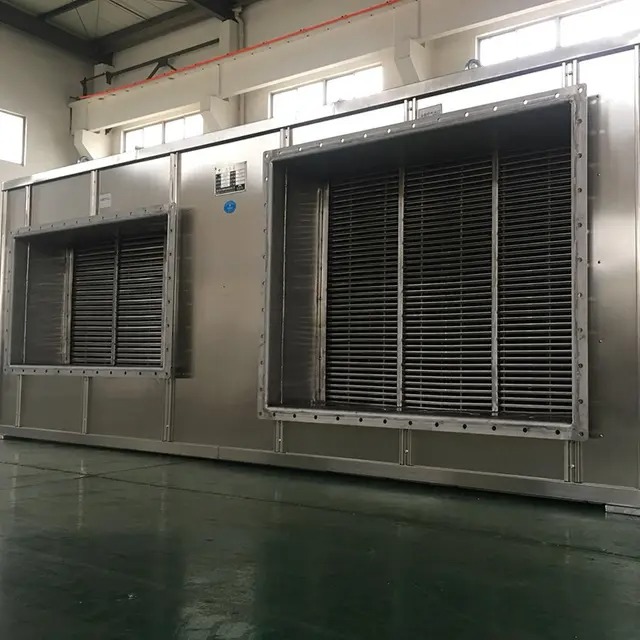
Power plants face growing pressure to optimize energy generation and minimize costs. How can they achieve better efficiency and sustainability? Plate-and-Frame heat exchangers play a pivotal role in this process. They provide cost-effective heat transfer and enable significant energy savings. In this article, we'll explore how Plate-and-Frame heat exchangers improve power plant performance and contribute to sustainable energy use.
The Role of Plate Heat Exchangers in Power Plants
Cooling Systems in Power Plants
Cooling systems are vital in power plants for maintaining the safe operation of turbines, engines, and other critical components. Plate heat exchangers play a key role in these systems by transferring excess heat from the turbine’s exhaust to cooling water. The compact design of plate-and-frame heat exchangers allows them to efficiently manage high-temperature fluids, preventing equipment damage and maintaining system integrity. By enabling efficient heat dissipation, these exchangers contribute to optimal operating temperatures and prevent costly breakdowns, ensuring continuous plant operations.
Steam Condensation and Heat Recovery
In power plants, steam condensation is an essential process in the energy recovery system. Plate heat exchangers facilitate the cooling of exhaust steam from turbines, converting it back into water. This recovered heat is then reused to preheat the feedwater entering the boiler, significantly reducing fuel consumption. With their high heat transfer efficiency, plate-and-frame heat exchangers maximize the amount of energy recovered, reducing reliance on external fuel sources. This process not only enhances plant efficiency but also lowers operational costs and carbon emissions, promoting a more sustainable energy production system.
Combined Heat and Power (CHP) Applications
Combined Heat and Power (CHP) systems are increasingly used in power plants to improve energy efficiency by simultaneously generating electricity and utilizing waste heat. Plate heat exchangers are integral to CHP systems, as they capture and reuse waste heat from the electricity generation process. By transferring this excess heat to other industrial processes, power plants can optimize fuel use, reduce energy consumption, and enhance overall operational efficiency. In addition, the use of plate heat exchangers in CHP systems helps reduce CO2 emissions, contributing to a greener, more sustainable energy generation process.
Design Considerations for Power Plant Heat Exchangers
Material Selection for Durability and Efficiency
The materials used in power plant heat exchangers must withstand high temperatures, pressure, and the corrosive effects of fluids like cooling water or steam. Stainless steel is the most commonly used material due to its corrosion resistance and excellent thermal conductivity. However, for more extreme conditions, such as those found in nuclear or geothermal power plants, titanium or special alloys may be preferred. The selected materials must ensure durability while maintaining high heat transfer performance, which is critical for minimizing energy loss and maximizing the heat exchanger’s efficiency.
| Material Type | Corrosion Resistance | Thermal Conductivity | Temperature Range | Operating Environment | Common Applications |
| Stainless Steel (AISI 304/316) | Good | 15-20 W/m·K | -196°C to 800°C | Seawater, chemicals | Standard heat exchangers, food processing |
| Titanium (Ti) | Excellent | 21 W/m·K | -250°C to 450°C | Harsh acids, strong bases | Petrochemical, marine environments |
| High-Temperature Alloys (Inconel) | Excellent | 13 W/m·K | 500°C to 1200°C | High-temperature gases, combustion systems | Aerospace, high-temperature industrial applications |
| Copper (Cu) | Fair | 398 W/m·K | -50°C to 200°C | Clean fluids, low-temperature environments | Heat exchangers, cooling systems |
Sizing and Configuration
Proper sizing and configuration are essential to ensure plate heat exchangers provide optimal performance without occupying excessive space in the power plant. The key challenge is balancing surface area with compactness. A well-designed plate heat exchanger can achieve high thermal efficiency while maintaining a small footprint, making it ideal for power plants where space is limited. The configuration of the heat exchanger, such as counterflow or multipass flow arrangements, plays a significant role in maximizing heat transfer while minimizing pressure drops and energy losses.
Integration with Plant Components
Plate heat exchangers must seamlessly integrate with other components in the power plant, such as turbines, boilers, and cooling towers, to ensure optimal performance. The design must facilitate smooth fluid flow, prevent leakage, and ensure compatibility with other system components. By optimizing the interaction between these components, plate heat exchangers help maintain system stability and efficiency, supporting reliable and continuous power generation. Careful integration also minimizes downtime, contributing to lower operational costs and improved plant performance.
Applications of Plate Heat Exchangers in Power Plants
Fossil Fuel Power Plants
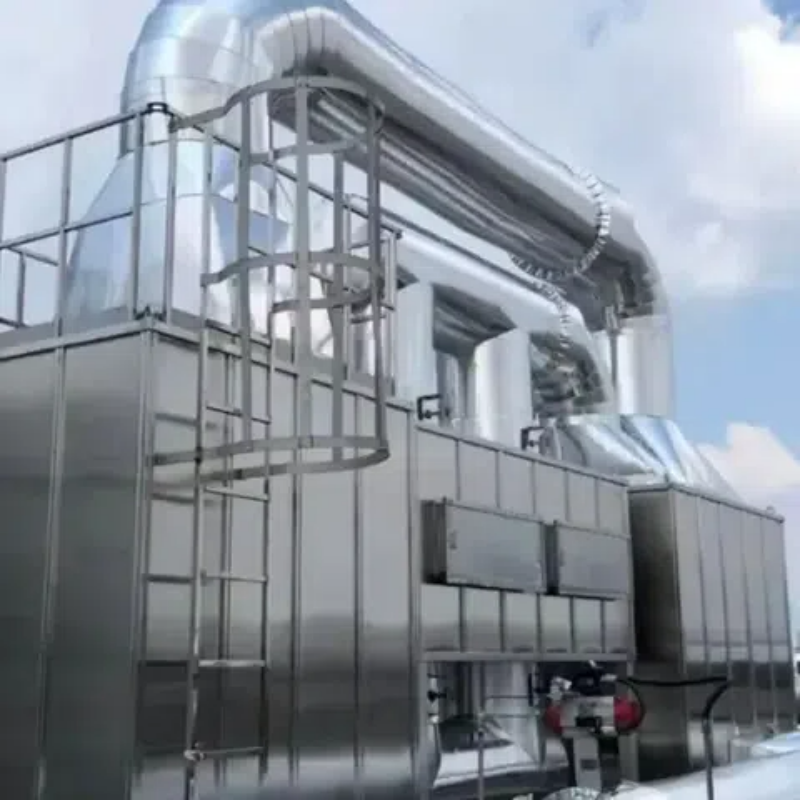
In fossil fuel power plants, plate heat exchangers play a crucial role in managing high-pressure steam and cooling systems. These exchangers are used in various applications, including cooling oil and steam condensation. By optimizing heat transfer and minimizing temperature fluctuations, plate heat exchangers help reduce fuel consumption and improve the overall efficiency of the plant. Their compact design and ability to handle large volumes of heat make them ideal for the demanding conditions of fossil fuel power plants.
Nuclear Power Plants
Plate heat exchangers are essential in nuclear power plants, where precise temperature regulation is critical to the safety and efficiency of reactors and turbines. These exchangers help cool the reactor coolant and manage the heat transfer from the reactor core. With their high thermal conductivity and ability to withstand high temperatures and pressures, plate-and-frame heat exchangers are indispensable in ensuring safe, efficient, and sustainable operation in nuclear plants. The material selection and design considerations are critical to maintaining safety standards while optimizing thermal efficiency.
Geothermal Power Plants
Geothermal power plants utilize the Earth’s natural heat to generate electricity. Plate heat exchangers are employed to transfer thermal energy from geothermal fluids to working fluids, which are then used to generate power. These exchangers are designed to efficiently handle the extreme temperatures and pressures associated with geothermal systems. By enabling efficient heat transfer, plate heat exchangers help maximize the energy output of geothermal plants while minimizing environmental impact. Their compact design makes them ideal for geothermal applications, where space and efficiency are paramount.
Efficiency and Sustainability in Plate Heat Exchanger Design
Maximizing Heat Transfer Efficiency
To maximize heat transfer efficiency, key design factors include optimizing the flow path, surface roughness, and the fluid flow arrangement. By increasing surface area, using corrugated plates, and optimizing the flow paths, plate-and-frame heat exchangers efficiently reduce energy losses and provide high heat transfer performance.
| Design Parameter | Impact Factor | Optimization Method | Result and Impact | Applicable Applications |
| Flow Path Optimization | Fluid flow speed | Design counterflow, parallel flow, etc. | Improves heat exchange efficiency, reduces temperature differential | Power plants, chemical, HVAC systems |
| Corrugated Plate Design | Surface roughness | Optimize angle and density of corrugations | Increases heat exchange surface, enhances heat transfer efficiency | Food processing, cooling systems, petrochemical |
| Fluid Flow Arrangement | Turbulence, vortex flow | Use disturbance structures to enhance flow | Reduces temperature difference, minimizes pressure loss | Petrochemical, chemical processes, power generation systems |
| Pressure Drop | Fluid viscosity, temperature | Design suitable flow channels | Reduces energy consumption, optimizes overall performance | High-efficiency heat recovery systems |
Tip:Optimizing the design and material selection can significantly improve the heat transfer efficiency of the heat exchanger, especially by precisely controlling the flow path and flow arrangements.
Waste Heat Recovery
Waste heat recovery is a vital aspect of improving energy efficiency in power plants. Plate heat exchangers excel in this area by capturing excess heat generated during power generation and transferring it to other processes. This recovered heat can be used for preheating feedwater or for industrial applications, reducing the need for additional fuel. By maximizing the recovery and reuse of waste heat, plate heat exchangers help power plants lower their operating costs and minimize their environmental footprint.
Sustainability Considerations
Sustainability is a key consideration in the design of power plant heat exchangers. Using energy-efficient designs and environmentally friendly manufacturing techniques, such as minimal environmental impact welding or brazing, plate heat exchangers contribute to a greener energy generation process. Additionally, the use of recyclable materials and designs that reduce energy consumption during operation further enhances the sustainability of these systems. As power plants continue to focus on reducing their carbon emissions and operational costs, the role of efficient, sustainable heat exchangers will only become more critical.
Maintenance and Longevity of Plate Heat Exchangers
Easy Maintenance and Cleaning
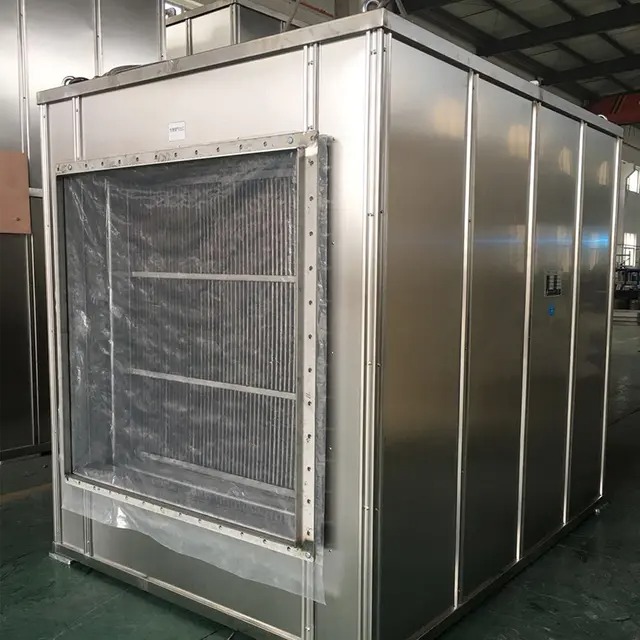
Due to the design of plate-and-frame heat exchangers, which allows the plates to be removed, they are much easier to maintain and clean compared to traditional shell-and-tube heat exchangers. Regular cleaning and gasket replacement are essential for maintaining high performance, preventing fouling, scaling, and corrosion, which can degrade heat transfer efficiency.
| Maintenance Task | Frequency | Cleaning Method | Tools and Equipment | Considerations |
| Gasket Inspection and Replacement | Annually | Visual inspection or pressure testing | Pressure gauges, tool kits | Replace worn or damaged gaskets promptly |
| Plate Removal and Cleaning | Every 3-6 months | High-pressure water jet, chemical cleaners | High-pressure water gun, brushes, chemicals | Regularly remove dirt and scale buildup |
| System Pressure and Flow Check | Quarterly | Measure differential pressure, check flow rates | Pressure sensors, flow meters | Detect blockages and leaks early |
| Liquid Quality and Treatment | Monthly | Use filter cartridges and check liquid quality | Filters, laboratory equipment | Prevent impurities from entering the system |
Tip:Regular maintenance and cleaning of heat exchangers not only extend their lifespan but also ensure their efficient operation, preventing performance degradation caused by dirt and scale buildup.
Corrosion Resistance and Durability
Plate heat exchangers are subject to the corrosive effects of fluids like cooling water and steam. To maintain their durability, it is essential to select materials that offer excellent corrosion resistance, such as stainless steel or titanium. Additionally, the use of corrosion inhibitors and proper water treatment can help protect the heat exchangers from fouling and scaling, further extending their service life. By ensuring that the heat exchangers are well-maintained and protected from corrosion, power plants can minimize maintenance costs and enhance system reliability.
Monitoring Performance
Monitoring the performance of plate heat exchangers is crucial to ensuring that they operate at maximum efficiency. Regular monitoring of parameters like differential pressure helps identify potential issues, such as fouling, blockages, or leaks, before they lead to significant problems. Real-time monitoring allows plant operators to take corrective action quickly, preventing unnecessary downtime and reducing maintenance costs. By implementing a robust monitoring system, power plants can optimize the performance of their heat exchangers and extend their lifespan.
Why Choose HFM for Your Power Plant Plate Heat Exchanger Solutions?
Proven Track Record in Power Plant Applications
HFM has a long history of successful deployments in power plant applications, supporting various types of power generation, including fossil fuel, nuclear, and renewable energy plants. Our solutions have been integral in improving heat transfer efficiency, reducing energy waste, and enhancing overall plant reliability. Through continuous innovation and engineering expertise, HFM has consistently provided power plants with cutting-edge heat exchanger technology that meets the most stringent operational and environmental standards, contributing to reduced operational costs and improved performance.
Tailored Solutions for Unique Power Plant Needs
Recognizing that each power plant operates in a unique environment with distinct operational demands, HFM excels at delivering customized solutions. We leverage advanced computational fluid dynamics (CFD) simulations and heat transfer analysis to design plate heat exchangers optimized for specific plant conditions. Our tailored solutions address varying flow rates, temperature ranges, and pressure conditions, ensuring that every exchanger is fine-tuned to maximize heat recovery, minimize energy consumption, and integrate seamlessly into the plant’s infrastructure.
Global Support and Expertise
HFM’s global presence offers unparalleled support for power plants worldwide. With teams of engineers and technical experts located across the globe, we ensure prompt and reliable service, from installation and commissioning to ongoing maintenance and troubleshooting. HFM’s proactive approach includes real-time monitoring, remote diagnostics, and on-site support to maintain peak performance of heat exchangers throughout their lifecycle. Our deep expertise and commitment to customer satisfaction ensure that plants can continue to operate with minimal downtime and maximum efficiency, enhancing both operational longevity and sustainability.
Conclusion
Plate heat exchangers are essential in enhancing energy efficiency, cutting operational costs, and supporting sustainability in power plants. Nanjing Prandtl Heat Exchange Equipment Co., Ltd. offers innovative, customizable plate heat exchangers designed to meet the specific needs of power plants. Their high-performance solutions help optimize system efficiency, improve reliability, and promote sustainable energy production, making them a valuable partner for power generation facilities worldwide.
FAQ
Q: What is a Plate-and-Frame heat exchanger and how does it work in power plants?
A: A Plate-and-Frame heat exchanger is a type of heat exchanger made up of multiple plates stacked together to form channels for fluid flow. In power plants, it efficiently transfers heat between fluids, maximizing energy recovery while minimizing space usage due to its compact design heat exchanger structure.
Q: Why should power plants choose a Plate-and-Frame heat exchanger?
A: Power plants benefit from Plate-and-Frame heat exchangers because they offer high heat transfer efficiency, reduce energy consumption, and support waste heat recovery. Their compact design heat exchanger ensures they fit into tight spaces while maintaining excellent thermal performance.
Q: How does a Plate-and-Frame heat exchanger improve energy efficiency in power plants?
A: Plate-and-Frame heat exchangers maximize heat transfer by using a compact design and corrugated plates, which increase surface area. This results in more efficient energy use and better waste heat recovery, lowering operational costs and improving system performance in power plants.
Q: What are the advantages of using a compact design heat exchanger in power plants?
A: A compact design heat exchanger allows power plants to save valuable space while maintaining high performance. It also enhances heat transfer efficiency, reduces energy loss, and contributes to the overall sustainability of the plant.
Q: What maintenance is required for a Plate-and-Frame heat exchanger in a power plant?
A: Regular maintenance includes cleaning the plates, checking for any blockages or leaks, and replacing gaskets as needed. Proper maintenance ensures that the Plate-and-Frame heat exchanger operates efficiently and has a long service life.


