Introduction
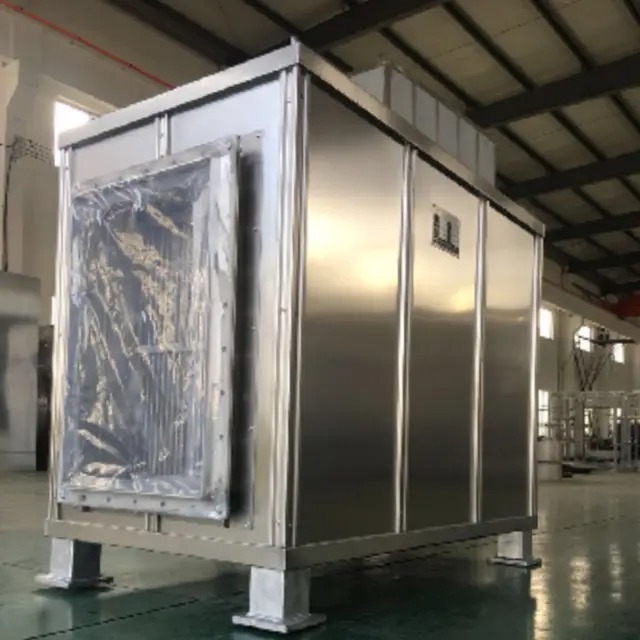
Thermal power plants are key to powering the world, producing a large portion of the electricity we rely on daily. At the core of their efficiency lies heat management, achieved through advanced heat exchangers. One such critical component is the Plate-and-Frame heat exchanger, which ensures optimal energy transfer. In this article, we will explore the role of this essential technology in thermal power plants, its impact on efficiency, and its importance in global energy systems.
What is a Thermal Power Plant?
Definition of a Thermal Power Plant
A thermal power plant is a facility that converts heat energy into electrical energy, primarily using fossil fuels like coal, natural gas, or biomass. The heat generated from burning these fuels heats water, turning it into high-pressure steam. This steam is then used to drive turbines connected to generators, producing electricity. The Plate-and-Frame heat exchanger plays a crucial role in managing the temperature of fluids, ensuring that the heat transfer process is efficient and that energy recovery is maximized.
Basic Working Principle
Thermal power plants operate based on the Rankine cycle, where heat is used to generate steam that drives a turbine. The steam passes through the turbine, losing its heat energy in the process and generating mechanical energy. This mechanical energy is then converted into electricity by the generator. Heat exchangers, like the Plate-and-Frame heat exchanger, are strategically placed in the system to transfer heat from one fluid to another, optimizing the performance of the entire cycle.The table below outlines the functions and applications of heat exchangers in the thermal power plant's operation.
| Parameter | Description | Technical Specifications | Application Scenarios | Notes |
| Heat Exchanger Type | Types of heat exchangers used for heat transfer. | Plate-and-frame, Shell-and-tube | Thermal power plants, industrial boiler systems, steam cooling systems | Choose the appropriate type for working conditions |
| Thermal Efficiency | Thermal efficiency is a key metric for power plant operation. | ≥85% | Increase overall efficiency, reduce energy loss | High-efficiency heat exchangers significantly improve thermal performance |
| Fluid Temperature | Fluid temperature affects heat exchange and energy recovery efficiency. | 150°C - 250°C | Optimize the temperature difference in heat exchangers for better energy recovery | High fluid temperatures may compromise system safety |
| Heat Transfer Coefficient | A measure of how efficiently heat is transferred between fluids. | ≥600 W/m²·K | Improve heat transfer efficiency to increase overall system efficiency | Selecting the right materials and design increases heat transfer efficiency |
Importance in Global Energy Production
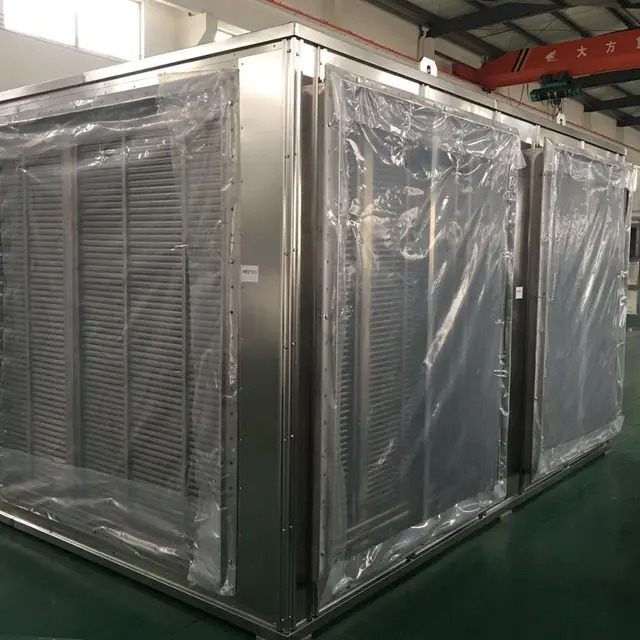
Thermal power plants contribute to about 60% of global electricity production, making them a cornerstone of energy generation worldwide. The Plate-and-Frame heat exchanger is a key component in enhancing the efficiency of these plants. By facilitating the efficient transfer of heat, these heat exchangers ensure that the plant operates at optimal temperatures, which in turn improves overall energy efficiency and reduces operational costs.
Types of Thermal Power Plants
Fossil Fuel-Based Power Plants
Fossil fuel-based power plants face increasing pressure to lower emissions while maintaining efficiency. Advanced technologies, such as carbon capture and storage (CCS), are being integrated into these plants to reduce CO₂ emissions. Plate-and-Frame heat exchangers play a key role in these systems by enhancing heat recovery, which reduces fuel consumption and increases plant efficiency. The adoption of more sustainable fuels, such as natural gas over coal, combined with these exchangers, allows for cleaner and more efficient power generation.
Nuclear Thermal Power Plants
Nuclear thermal power plants generate heat through nuclear fission, where the nucleus of an atom is split to release energy. The heat produced from this reaction is used to create steam, which drives a turbine to generate electricity. Plate-and-Frame heat exchangers in nuclear plants help manage the heat exchange between the coolant and the steam, ensuring that the system remains safe and efficient.
Renewable Thermal Power Plants
Biomass and waste-to-energy (WtE) plants are considered renewable thermal power plants as they utilize organic materials and waste to generate heat. The heat produced is used to create steam that drives turbines. In these plants, Plate-and-Frame heat exchangers are employed to facilitate efficient heat recovery from the combustion gases, ensuring that the system operates at peak efficiency. These plants help in reducing waste while also producing renewable energy.
Key Components of a Thermal Power Plant
Boiler System
The boiler system is a crucial component of thermal power plants, responsible for generating steam by transferring heat from fuel combustion. To enhance thermal efficiency, Plate-and-Frame heat exchangers are often used to preheat water entering the boiler. The table below outlines the key technical specifications and applications of the boiler system.
| Parameter | Description | Technical Specifications | Application Scenarios | Notes |
| Boiler Type | Different types of boilers are used for various fuels and applications. | Water-tube, Fire-tube boilers | Thermal power plants, industrial boilers, steam boilers | Consider fuel type when choosing boiler type |
| Steam Pressure | High-pressure steam is key to boiler efficiency. | Supercritical boiler: ≥27 MPa | High-pressure steam drives turbines for power generation | High-pressure boilers must be made with pressure-resistant materials |
| Water Preheating Temperature | The temperature of the water entering the boiler affects steam generation efficiency. | 100°C - 200°C | Preheating water to enhance efficiency | Preheating temperature should be adjusted based on boiler design |
| Thermal Efficiency | The thermal efficiency of the boiler determines the energy utilization of the plant. | ≥85% (high-efficiency boilers) | Improve overall plant efficiency | Boiler cleaning and regular inspection affect thermal efficiency |
Tip:Choosing the right boiler type and preheating temperature is crucial to maximizing boiler system efficiency. Regular maintenance and cleaning can effectively reduce heat loss and enhance overall performance.
Steam Turbine
The steam turbine is responsible for converting thermal energy into mechanical energy. As high-pressure steam is directed onto the turbine blades, it causes them to spin, which drives the generator. To ensure the efficiency of the steam turbine, Plate-and-Frame heat exchangers are used in cooling systems to regulate the temperature of the steam before it enters the turbine, preventing overheating and maintaining optimal operational conditions.
Generator
The generator converts mechanical energy from the turbine into electrical energy. Plate-and-Frame heat exchangers are critical in cooling systems, maintaining the generator’s operational temperature and ensuring the longevity and efficiency of the equipment. These heat exchangers help in regulating the temperature of the coolant, ensuring that the generator functions effectively and with minimal downtime.
Condenser and Cooling System
After passing through the turbine, the steam is cooled and condensed back into water in the condenser. Plate-and-Frame heat exchangers are integral in these cooling systems, efficiently transferring heat from the steam to the cooling water. This process allows the condensed water to be recirculated back to the boiler, completing the cycle and ensuring that the system operates continuously without interruptions.
How Thermal Power Plants Work: Step-by-Step
Fuel Combustion and Steam Generation
The efficiency of fuel combustion and steam generation is crucial for optimizing thermal power plant performance. Modern combustion technologies, such as fluidized bed combustion and integrated gasification combined cycle (IGCC), are enhancing the fuel-to-steam conversion process. Plate-and-Frame heat exchangers play an essential role by utilizing the waste heat from exhaust gases to preheat incoming water, reducing fuel consumption and improving the overall thermal efficiency of the plant. The integration of these heat exchangers enables a more sustainable approach to power generation.
Mechanical Energy Conversion
Efficient conversion of thermal energy into mechanical energy is key to maximizing power plant output. Recent innovations in turbine blade design and materials, such as high-temperature alloys and ceramic coatings, allow turbines to operate at higher efficiencies. Plate-and-Frame heat exchangers assist in managing the varying thermal loads by cooling steam before it enters the turbine, ensuring optimal operating temperatures and preventing mechanical stress. This not only boosts turbine performance but also extends its operational life.
Electricity Generation and Distribution
The efficiency of electricity generation and distribution in thermal power plants is increasingly reliant on advanced monitoring and control systems. Real-time data analysis helps optimize turbine speeds and energy output. Plate-and-Frame heat exchangers support this by maintaining consistent fluid temperatures throughout the plant, ensuring smooth operations. By regulating heat transfer, they ensure that the generator operates efficiently, minimizing downtime and reducing losses during energy transmission across the grid, thus enhancing the reliability of power supply to consumers.
Environmental Impact of Thermal Power Plants
Greenhouse Gas Emissions
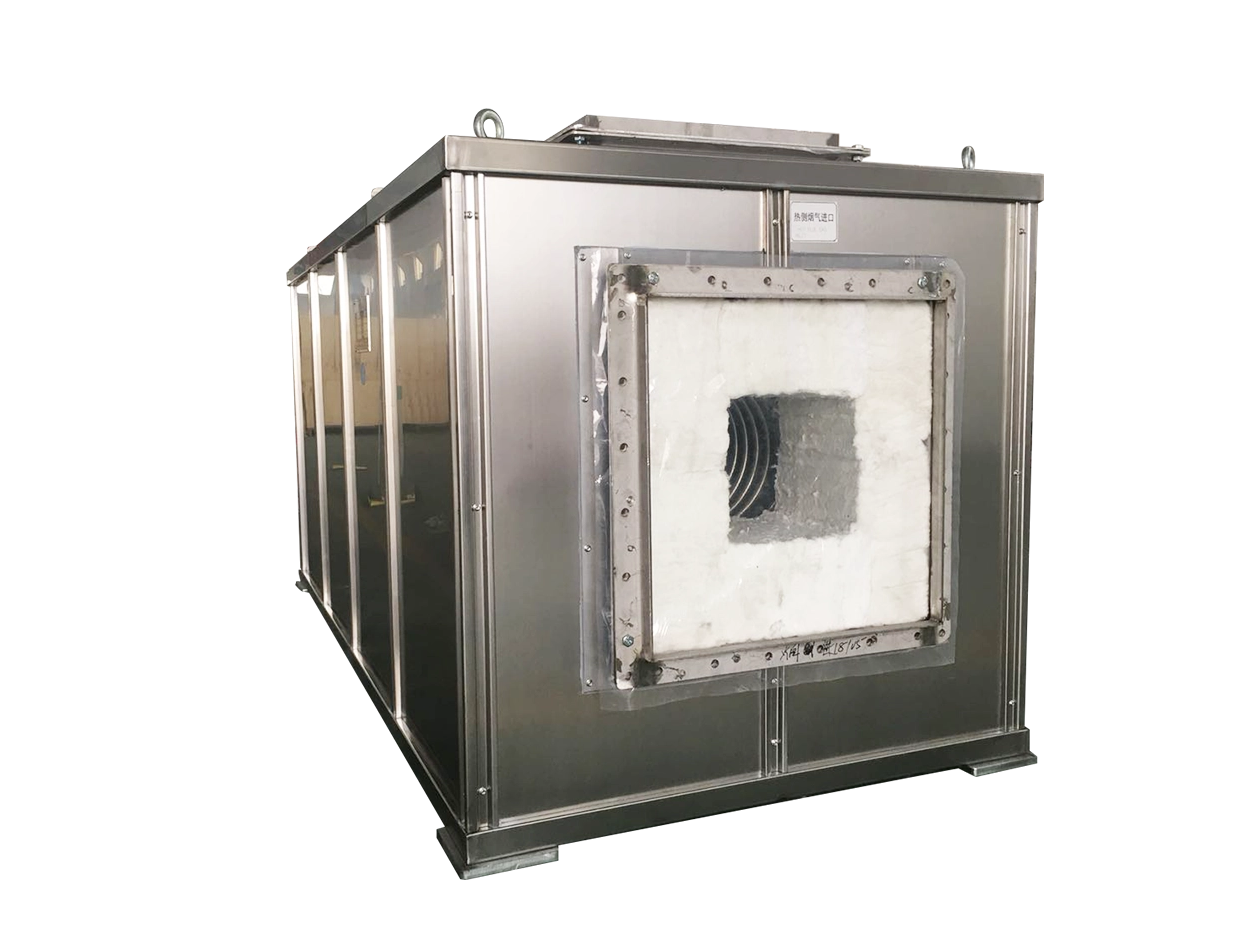
As thermal power plants remain a major source of CO2 emissions, integrating carbon capture and storage (CCS) technologies is becoming more common. Plate-and-Frame heat exchangers enhance the efficiency of these plants by improving heat recovery and reducing unnecessary fuel consumption. With better heat transfer, less fuel is burned, leading to lower CO2 emissions. The reduction in energy losses through advanced heat exchange technologies contributes to a cleaner, more sustainable energy system, supporting global efforts to combat climate change.
Air Pollution and Water Use
In addition to CO2, thermal power plants emit pollutants like sulfur dioxide (SO₂) and nitrogen oxides (NOₓ), which contribute to acid rain and smog. By optimizing heat recovery with Plate-and-Frame heat exchangers, thermal efficiency is improved, leading to reduced fuel consumption and, consequently, fewer emissions. These exchangers also minimize the need for excessive water use in cooling systems, as they optimize the heat transfer process, reducing the overall water demand and mitigating the negative impacts on surrounding ecosystems.
Efforts to Mitigate Environmental Impact
Technologies like carbon capture and storage (CCS) and the use of renewable energy sources are being developed to reduce the environmental footprint of thermal power plants. Plate-and-Frame heat exchangers contribute to these efforts by improving the overall thermal management of the plant, thus reducing energy losses and lowering emissions.The table below highlights key technologies and measures to mitigate the environmental impact of thermal power plants.
| Technology/Measure | Description | Technical Specifications | Application Scenarios | Notes |
| Carbon Capture and Storage (CCS) | A technology that captures CO₂ and stores it underground or elsewhere to reduce emissions. | ≥90% CO₂ capture rate | Large thermal power plants, industrial facilities, oil fields | CCS systems require high cost and complex infrastructure |
| Use of Biomass Energy | Using biomass as an alternative fuel to reduce reliance on fossil fuels. | Biomass fuel calorific value: 15-20 MJ/kg | Biomass power plants, waste-to-energy plants | Biomass fuel supply and transportation may present challenges |
| Improved Heat Recovery Efficiency | Reducing energy waste by optimizing the heat transfer process. | Thermal efficiency improvement: 5%-15% | Thermal power plants, industrial boiler systems, petroleum refineries | Improved heat efficiency helps reduce energy consumption and emissions |
| Renewable Energy Integration | Integrating renewable energy (such as solar, wind) with conventional thermal power plants. | Increase renewable energy share to 30%-40% | Solar-thermal power, wind and thermal integration systems | Requires corresponding technical support and equipment integration |
Tip:Combining renewable energy with traditional thermal systems not only helps reduce carbon emissions but also improves energy sustainability. Regularly evaluating and optimizing the heat recovery system can significantly reduce environmental impact.
The Future of Thermal Power Plants
Technological Innovations
In the future, thermal power plants will increasingly rely on cutting-edge technologies like artificial intelligence (AI) and machine learning to optimize operations. AI can predict equipment failures, adjust operation parameters in real-time, and improve system-wide efficiency. Plate-and-Frame heat exchangers will evolve with materials like graphene to enhance heat transfer capabilities and durability, contributing to reducing energy consumption and extending operational life, all of which support a more sustainable and cost-effective power generation model.
Transition to Clean Energy
The shift towards clean energy in thermal power plants will be underpinned by hybrid systems that integrate renewable sources, such as solar or wind, with conventional thermal processes. Plate-and-Frame heat exchangers will play a critical role in managing the diverse thermal demands of such hybrid systems. Their ability to efficiently handle fluctuating heat loads from renewable sources will be essential in optimizing the performance of these integrated systems, reducing emissions, and minimizing the need for fossil fuel-based energy generation.
Conclusion
Thermal power plants play a crucial role in generating the electricity we rely on globally. At the core of these plants is the efficient management of heat, achieved through components like the Plate-and-Frame heat exchanger. These heat exchangers optimize heat transfer and improve overall energy efficiency. As the world shifts toward cleaner energy, companies like Nanjing Prandtl Heat Exchange Equipment Co., Ltd. are essential in providing advanced heat exchange solutions that support the transition to more sustainable energy production. Their products help increase operational efficiency while minimizing environmental impact, ensuring a more sustainable future for power generation.
FAQ
Q: What is a thermal power plant?
A: A thermal power plant is a facility that converts heat energy, often from fossil fuels like coal or natural gas, into electrical energy. The Plate-and-Frame heat exchanger is essential in this process, transferring heat efficiently to improve energy recovery.
Q: How does a Plate-and-Frame heat exchanger work in thermal power plants?
A: Plate-and-Frame heat exchangers help transfer heat between fluids, optimizing thermal efficiency. They recover energy from exhaust gases to preheat incoming water, improving overall plant performance and reducing fuel consumption.
Q: Why are Plate-and-Frame heat exchangers important in thermal power plants?
A: These exchangers enhance heat recovery and energy transfer efficiency, which reduces operational costs and carbon emissions. Their role is crucial in improving the overall efficiency of thermal power plants, making them more sustainable.
Q: How does precision manufacturing affect Plate-and-Frame heat exchangers?
A: Precision manufacturing ensures the accurate design and construction of Plate-and-Frame heat exchangers, enhancing their heat transfer efficiency and durability, which is critical for maintaining high-performance standards in thermal power plants.
Q: What are the advantages of using Plate-and-Frame heat exchangers in power plants?
A: They provide superior heat transfer efficiency, reduce energy loss, and enhance plant performance, contributing to lower fuel costs and a smaller environmental footprint. They are crucial in improving the sustainability of thermal power plants.
Q: How do thermal power plants contribute to electricity generation?
A: Thermal power plants generate electricity by converting heat from combustion into steam, which drives turbines. The Plate-and-Frame heat exchanger plays a critical role in this process, ensuring efficient heat transfer and reducing fuel consumption.
Q: What is the cost of installing a Plate-and-Frame heat exchanger in a thermal power plant?
A: The cost varies based on plant size and efficiency needs. However, investing in a Plate-and-Frame heat exchanger improves long-term energy efficiency, reducing operational costs and maximizing energy recovery.


