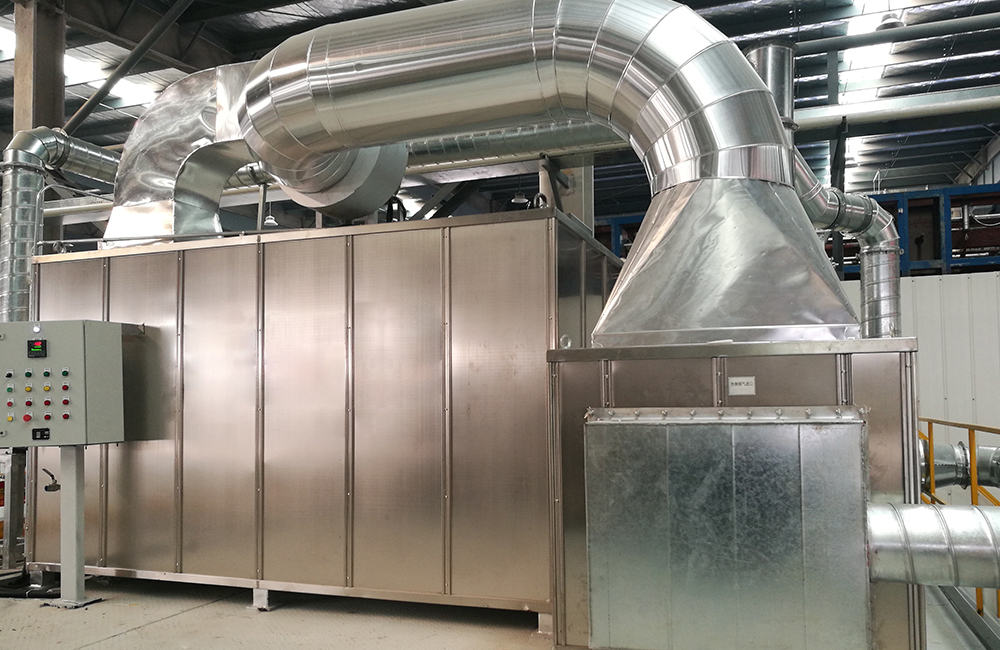
Recuperators are specialized heat exchangers that recover heat from industrial exhaust gases and use it to preheat incoming combustion air or process fluids — significantly improving industrial combustion efficiency and reducing fuel consumption. By re‑using waste heat instead of letting it escape, recuperators reduce energy waste and enhance overall system performance in a wide range of heavy‑duty applications from furnaces and kilns to gas turbines and chemical processes.
In this in‑depth article, we’ll explore how recuperators work, the mechanisms through which they improve efficiency, practical design considerations (including data‑driven comparisons), applications across industries, and the economic and environmental benefits of implementing recuperative systems in industrial combustion processes.
Key Takeaways
Recuperators improve industrial combustion efficiency by transferring thermal energy from hot exhaust gases to incoming combustion air or process streams — reducing fuel demand and facilitating more complete combustion.
Deploying recuperators in combustion systems can significantly lower operational costs, reduce greenhouse gas emissions, and enhance process stability across sectors such as metal processing, petrochemicals, power generation, and manufacturing.
The performance and suitability of recuperators depend on factors like exhaust temperature, flow characteristics, material selection, and system integration, with modern designs capable of recovering up to 70–80 % of waste heat under optimized conditions.
Integrated solutions — including advanced gas‑to‑gas recuperative heat exchangers, illustrate how tailored recuperator systems can enhance combustion performance and industrial energy effectiveness.
What Is a Recuperator?
A recuperator is a type of heat exchanger engineered to recover waste heat from a hot fluid (typically exhaust gas) and transfer it to a cooler fluid (such as combustion air or incoming process gas) without mixing the two streams. This is commonly accomplished in a counter‑flow or cross‑flow configuration, enhancing heat transfer while preserving fluid purity.
Unlike regenerators (which temporarily store heat and require cycling between hot and cold streams), recuperators operate with continuous heat exchange, providing stable, steady‑state performance in industrial systems. They are often constructed from high‑temperature metallic alloys or ceramics to withstand rigorous operating environments.
How Recuperators Work in Combustion Systems
Recuperators improve combustion efficiency primarily by preheating the air entering the combustion chamber using the thermal energy captured from exhaust gases. This preheating reduces the amount of fuel needed to raise the combustion air to its ignition temperature and maintain flame stability.
Key Heat Transfer Mechanisms
The recuperator operates via sensible heat transfer — elevating the temperature of the secondary stream (incoming air) through direct conduction and convection across a heat exchange surface.
Exhaust gases exit the combustion system at high temperature.
These hot gases pass through one side of the recuperator core.
Cooler incoming air or combustion fluid flows on the other side of the core in a separate channel.
Heat is transferred from the hot gas to the cooler stream through the solid separating surface.
The preheated air then enters the combustion chamber, reducing the fuel requirement to reach the desired combustion temperature.
The effectiveness of this process is often expressed by:
Effectiveness=preheated−cold,inhot,in−cold,inEffectiveness=Thot,in−Tcold,inTpreheated−Tcold,in
Where:
preheatedTpreheated = temperature of the secondary medium after heat exchange
cold,inTcold,in = initial temperature of cold medium
hot,inThot,in = temperature of hot exhaust gas at inlet
Higher effectiveness means more efficient utilization of waste heat.
Recuperator Performance Metrics
Below is a comparative summary of typical recuperator effectiveness and its influence on combustion performance across different industrial heat recovery technologies:
| Parameter | Recuperator | No Recuperator | Traditional Heat Recovery |
| Heat Recovery Efficiency | 60 – 80 % | 0 % | 30 – 50 % |
| Fuel Savings | High | None | Moderate |
| Preheat Air Temp Increase | Significant | None | Moderate |
| CO₂ Emission Reduction | High | None | Moderate |
| Complexity | Moderate | N/A | Moderate‑High |
These ranges are indicative and vary with the application and operating conditions. Recuperators typically outperform conventional heat recovery in steady, continuous combustion scenarios where exhaust gases are consistent.
Direct Benefits of Recuperators in Industrial Combustion
1. Reduced Fuel Consumption
By preheating combustion air or process gas before it enters the burner, a recuperator lowers the temperature rise that the fuel must provide. This means less fuel is consumed for the same thermal output — direct energy savings that reduce operating costs.
For example, several industrial furnaces equipped with recuperators report fuel consumption reductions of 20–45 % compared with non‑recuperated systems. This translates into significant economic savings over the lifecycle of equipment.
2. Lower Greenhouse Gas Emissions
Reduced fuel usage leads to proportionally lower emissions of CO₂ and other combustion byproducts such as NOₓ and SO₂ — contributing to lower environmental footprints and easier compliance with regulatory requirements.
3. Improved Combustion Stability and Flame Temperature
Preheated combustion air increases flame temperature and accelerates the combustion reaction, improving flame stability and combustion completeness. This reduces unburnt hydrocarbons and soot formation, enhancing product quality and reducing maintenance issues in high‑temperature equipment.
4. Enhanced Thermal Efficiency
By utilizing waste heat that would otherwise be lost, recuperators increase the overall thermal efficiency of combustion systems — meaning more of the input fuel energy contributes to useful work. This improved thermodynamic efficiency contributes to better energy productivity and operational sustainability.
Engineering and Design Considerations
Operating Temperature and Heat Source Quality
The effectiveness of a recuperator depends heavily on the temperature difference between the exhaust and the incoming stream. Higher exhaust temperatures generally lead to greater potential for heat recovery, but materials must withstand thermal stress.
Material Selection
The choice of heat transfer surfaces and structural materials must account for corrosion, oxidation, and thermal cycling. Stainless steels and nickel alloys are commonly used in high‑temperature recuperator cores due to their combination of strength and heat resistance.
Pressure Drop and Flow Balance
Effective recuperator design must balance heat recovery with acceptable pressure drops. Excessive pressure drop can increase fan power consumption and negate efficiency gains, so design optimization is crucial.
Industrial Applications of Recuperators
Recuperators are versatile and highly beneficial across multiple sectors:
Metal Processing and Heat Treatment
In steel reheat furnaces and metal processing lines, recuperators extract heat from flue gases to preheat combustion air, leading to substantial fuel savings in continuous operations.
Gas Turbines and Power Generation
Recuperator‑equipped gas turbine systems recover turbine exhaust heat to preheat compressor discharge air, reducing fuel needed to reach turbine inlet temperatures and boosting cycle efficiency.
Industrial Furnaces and Kilns
Ceramic, glass, and cement industries implement recuperators in kiln and furnace exhaust systems to capture thermal energy and improve combustion performance and throughput.
Waste Heat Recovery Integration
Recuperators are often integrated with broader industrial heat recovery systems that include economizers or steam generation units to maximize energy reuse potential.
Case Studies: Recuperator Impact on Combustion Efficiency
Below is a conceptual data comparison illustrating fuel consumption and emission impacts in industrial combustion systems with and without recuperators:
| Metric | With Recuperator | Without Recuperator |
| Fuel Consumption | 20 – 45 % lower | Baseline |
| Preheated Air Temp | 300 – 800 °C | Ambient |
| CO₂ Emission Reduction | Substantial | None |
| Heat Recovery Efficiency | 60 – 80 % | 0 % |
This demonstrates how the strategic use of recuperators can transform energy performance metrics in combustion‑intensive industrial processes.
FAQs
Q1: What is a recuperator and how does it differ from other heat recovery devices?
A recuperator is a continuous heat exchanger that reclaims waste heat from exhaust gases to preheat combustion air or process streams. Unlike regenerators, which cycle heat between media, recuperators maintain simultaneous counter‑flow heat exchange.
Q2: How much can a recuperator improve combustion efficiency?
Depending on design and operating conditions, recuperators can recover 60–80 % of waste heat and reduce fuel consumption by 20‑45 % in industrial combustion systems.
Q3: Are recuperators suitable for all industrial combustion systems?
Recuperators are most effective in high‑temperature exhaust applications. For low‑temperature exhaust or systems with highly corrosive gases, alternative solutions may be preferable.
Q4: What materials are best for recuperator construction?
High‑temperature capable materials such as stainless steel and nickel alloys are common to withstand thermal stress and oxidation in exhaust environments.
Conclusion
Recuperators are a powerful technology for improving industrial combustion efficiency by capturing waste heat and re‑using it to preheat combustion air or process streams — leading to lower fuel consumption, reduced emissions, and enhanced process stability. Whether applied to metal processing, gas turbines, furnaces, or integrated waste heat recovery systems, recuperators deliver measurable energy savings and environmental benefits.
The Gas‑to‑Gas Heat Exchanger represent advanced recuperator‑based solutions designed to maximize heat recovery, bolster combustion efficiency, and help industrial facilities achieve sustainable operations.


