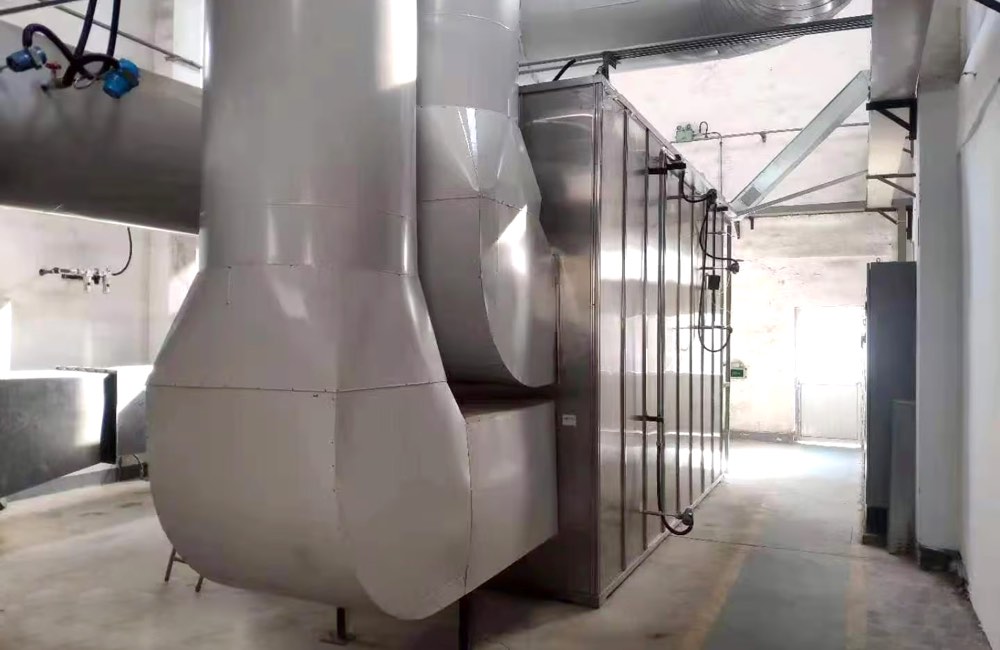
Industrial energy consumption represents a major portion of global energy use, and a large fraction of that energy is lost as waste heat — heat that is not utilized and is released to the environment through exhaust gases, cooling fluids, or hot surfaces. According to estimates, between 20% and 50% of industrial energy input is lost as waste heat in typical facilities, making waste heat recovery one of the most promising measures for energy efficiency improvement in the manufacturing and processing sectors.
Industrial heat recovery systems capture this otherwise lost thermal energy and repurpose it for useful applications, such as preheating combustion air, powering secondary processes, or generating steam or electricity. By doing so, industries can reduce fuel consumption, cut operational costs, and significantly lower their environmental footprint.
In this in‑depth guide, we’ll explore how industrial heat recovery systems contribute to energy saving, unpack core technologies and design approaches, evaluate benefits and economic outcomes (with comparative data tables), and highlight applications that make these systems essential in today’s energy‑conscious industrial landscape.
Key Takeaways
Industrial heat recovery systems capture and repurpose waste heat, turning a previously unused energy source into valuable thermal power that leads to significant energy savings and cost reductions.
Core technologies — including heat exchangers, economizers, and advanced thermal cycles — enable customized solutions for energy‑intensive industries.
Industrial heat recovery enhances efficiency, reduces fuel dependence, lowers emissions, and improves competitiveness.
The Gas‑to‑Gas Heat Exchanger are key components in maximizing heat recovery effectiveness.
What Is Industrial Heat Recovery?
Industrial Waste Heat: The Untapped Resource
In industrial processes, waste heat is any thermal energy produced that is not used directly in the manufacturing process and is instead released into the environment — typically through exhaust streams, cooling systems, and hot equipment surfaces.
Major industrial sectors that generate significant waste heat include:
Steel and metal production
Cement and building materials
Petrochemical and refinery processes
Glass and ceramics
Food and beverage production
Chemical manufacturing
A report by the U.S. Department of Energy estimated that 20–50% of total industrial energy input is ultimately discharged as waste heat.
Why Recover Waste Heat?
There are three principal reasons to capture and repurpose waste heat:
Energy savings and cost reduction: By reusing thermal energy, facilities reduce the amount of fuel required to maintain process temperatures and utility needs.
Environmental sustainability: Lower fuel consumption translates into reduced greenhouse gas emissions and lower regulatory compliance costs.
Improved process performance: Recovered heat can be used to preheat feedstock, generate steam, or drive secondary processes — enhancing overall plant efficiency.
How Industrial Heat Recovery Works
Key Technologies in Industrial Heat Recovery Systems
The heart of industrial heat recovery technology lies in capturing and transferring unused heat for productive use. The heat exchanger is one of the core components in this system.
1. Heat Exchangers
A heat exchanger transfers thermal energy between two fluids or gases without allowing them to mix. In industrial heat recovery, these devices capture heat from hot exhaust gases or process fluids and transfer it to a cooler medium (air, water, steam, or another process stream).
Common heat exchanger types include:
Shell and tube heat exchangers — robust and suited for high pressure/temperature applications.
Plate heat exchangers — compact and highly efficient.
Recuperators and regenerators — used in specialized high‑temperature applications.
A compact, efficient example widely used in gas heat recovery systems is the Gas‑to‑Gas Heat Exchanger, which is designed to maximize heat transfer from industrial exhaust gases.
2. Economizers
Economizers capture heat from flue gases to preheat boiler feedwater or combustion air, reducing the fuel needed to reach target temperatures.
3. Thermal Energy Storage (TES)
TES systems allow excess heat to be stored and used during peak demand periods or when heat is needed elsewhere in the process.
4. Organic Rankine Cycle (ORC)
ORC systems convert waste heat into electricity using an organic working fluid with a lower boiling point than water. This is particularly valuable for generating electricity from medium or low‑grade waste heat.
Industrial Heat Recovery: Energy Saving Performance
Below is a comparative view of typical energy recovery potentials across different industrial applications, demonstrating how waste heat recovery can translate into measurable energy savings and efficiency gains:
| Industry Sector | Estimated Heat Loss (% of Energy Input) | Typical Waste Heat Use | Energy Savings Opportunity |
| Steel & Metals | ~33% | Preheat combustion air, steam generation | High |
| Chemical & Refinery | ~30–35% | Process heating, steam | High |
| Cement | ~40% | Preheat raw materials, kiln exhaust | Very High |
| Glass | ~20% | Furnace exhaust recovery | Moderate |
| Food & Beverage | ~10–15% | Cooking and processing heat | Moderate |
| Pulp & Paper | ~15–20% | Steam and drying heat | High |
Estimated figures are based on typical industrial surveys and illustrate the broad potential of waste heat recovery across sectors.
Energy Saving Mechanisms and Benefits
1. Direct Fuel Savings
When thermal energy recovered from exhaust gases is reused — for example, preheating boiler feedwater — the facility requires less fuel to produce equivalent heat output. This directly results in reduced fuel consumption and cost savings.
2. Reduced Utility Load
By capturing heat that would otherwise be lost, facilities can:
Lower electricity demand for heating systems.
Reduce cooling loads on heat dissipation equipment.
Minimize steam consumption from boilers.
All of these contribute to significant operational expense reductions.
3. Enhanced Efficiency of Downstream Systems
Waste heat recovery can preheat raw materials, combustion air, or feedwater — improving the efficiency of downstream systems such as furnaces and turbines. Preheating increases combustion efficiency and reduces the time and fuel needed to reach operating temperatures.
4. Reduced Greenhouse Gas Emissions
Fewer fossil fuels burned equates to lower emissions of CO₂ and other pollutants such as NOx and SO₂. This contributes to improved environmental performance and helps meet regulatory targets or sustainability goals.
Implementation Strategies
Conducting an Energy Audit
Before implementing a heat recovery system, facilities should conduct a detailed energy audit to identify major waste heat sources, quantify heat flows, and assess the feasibility of recovery interventions. This audit forms the basis of an efficient heat recovery strategy.
Matching Heat Sources and Sinks
Effective industrial heat recovery requires matching waste heat sources to appropriate heat sinks, such as:
Exhaust gas → combustion air preheating
Exhaust gas → boiler feedwater preheating
Low‑grade heat → thermal storage or ORC power generation
This ensures that recovered heat is effectively reused rather than simply dissipated.
Selecting the Right Technology
Choosing the most suitable technology — whether a shell‑and‑tube unit, a plate heat exchanger, an economizer, or an ORC generator — depends on temperature levels, available space, and operational demands.
Economic Considerations
Payback Periods
Although the initial investment for industrial heat recovery systems can be substantial, payback periods are often relatively short, especially when fuel costs are high and heat recovery efficiencies are strong. For example, large facilities using combined heat recovery and heat pump systems have reported energy cost savings of up to 20–75% in specific applications.
Lifecycle Savings
Because heat recovery systems operate continuously, cumulative savings over the equipment’s operational life can be considerable. These savings include reduced fuel costs, lower emissions penalties, and potentially increased output without additional energy input.
Applications of Industrial Heat Recovery
1. Combustion Air Preheating
Preheating incoming air for combustion using recovered heat from exhaust gases can reduce fuel requirements and improve combustion efficiency.
2. Steam and Hot Water Generation
In plants with boilers or steam turbines, recovered heat can generate steam or preheat boiler feedwater, enabling faster startup and reduced fuel use.
3. Electricity Generation
Using ORC or steam Rankine cycles, waste heat can be converted into electricity — especially useful where large high‑temperature heat sources are available.
️ 4. Process Heating
Industrial processes such as drying, baking, or material preheating can directly use recovered heat, enhancing efficiency and reducing demand on primary energy sources.
Energy Savings Case Comparison
The following table illustrates hypothetical but representative energy savings achievable with different heat recovery implementations:
| Heat Recovery Implementation | Energy Savings (% of Fuel Input) | Typical Payback |
| Exhaust gas heat exchanger (plate) | 15–25% | 1–3 years |
| Economizer for boiler feedwater | 10–20% | 2–4 years |
| ORC electricity generation | 5–15% | 3–6 years |
| Combined heat pump + WHR | 20–40% | 1–3 years |
Actual savings depend on system design, fuel prices, and waste heat availability.
Environmental and Regulatory Benefits
Lower Emissions and Carbon Footprint
Capture and reuse of waste heat directly reduce the need for burning additional fuel — which lowers greenhouse gas emissions. Many companies adopt heat recovery as part of broader sustainability initiatives and Corporate Social Responsibility strategies.
Regulatory Compliance
Waste heat recovery systems can help facilities meet environmental regulations by reducing pollutant emissions (NOx, SO₂, and CO₂). This can also lead to eligibility for incentives, carbon credits, or energy efficiency grants.
FAQs
Q1: What is industrial heat recovery and why is it important?
Industrial heat recovery captures waste thermal energy from industrial processes and repurposes it for useful heat needs — reducing energy consumption, lowering fuel costs, and improving operational efficiency.
Q2: Which technologies are commonly used for heat recovery?
Key technologies include heat exchangers (plate, shell‑and‑tube), economizers, thermal storage, and Organic Rankine Cycle (ORC) systems.
Q3: What are typical energy savings from waste heat recovery systems?
Energy savings vary by industry and heat source but can range broadly from 10–40% of fuel input when systems are properly designed and implemented.
Q4: Can heat recovery systems help reduce emissions?
Yes — by replacing fuel use with recovered thermal energy, facilities lower greenhouse gas emissions and improve environmental performance.
Conclusion
Energy saving through industrial heat recovery systems offers a transformative pathway toward enhanced energy efficiency, cost reduction, environmental sustainability, and competitive advantage. By capturing heat that would otherwise be lost, companies can significantly reduce fuel consumption and greenhouse gas emissions over time. Successful implementation depends on proper assessment of heat sources, careful selection of technologies (such as plate heat exchangers), and thoughtful integration into existing processes.
Industrial heat recovery is not just an energy‑saving measure — it is an essential strategy for modern, sustainable industrial operations that seek to maximize efficiency while minimizing environmental impact.


