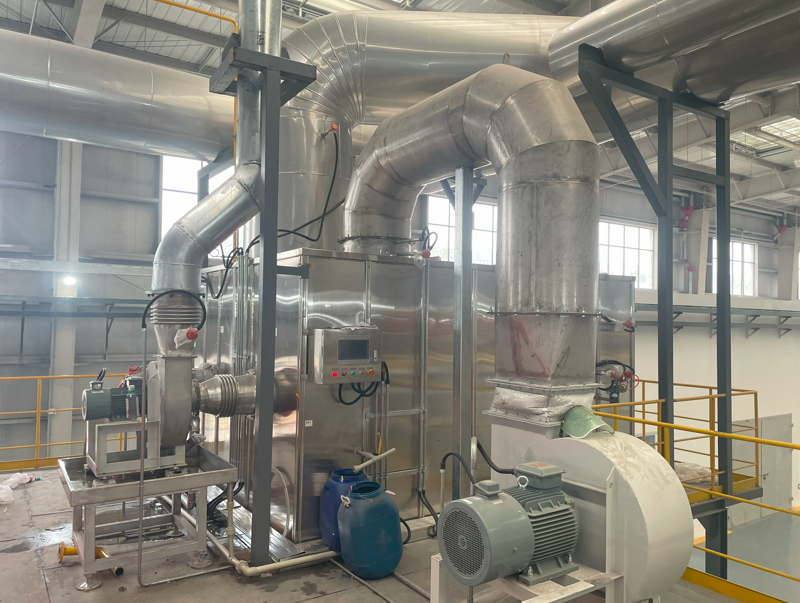
As global industries strive toward net‑zero emissions, energy efficiency, and reduced operational costs, sustainable heat recovery systems have become a cornerstone of modern energy strategy. These systems reduce industrial energy waste by capturing unused thermal energy — often termed waste heat — and repurposing it for productive use such as pre‑heating, power generation, or process integration. Waste heat recovery systems span technologies such as traditional heat exchangers, Organic Rankine Cycles (ORC), heat pumps, thermoelectric generators, and integrated solutions that are increasingly intelligent, modular, and efficient. The growing focus on sustainability, environmental compliance, and economic competitiveness is driving heightened adoption and innovation in heat recovery technologies across sectors including manufacturing, petrochemicals, power generation, and data centers.
This article explores sustainable heat recovery systems, their benefits, key technologies, market trends, performance comparisons, and future developments shaping the industry — equipping engineers, energy managers, and sustainability leaders with the insights needed to design and deploy next‑generation heat recovery strategies.

Key Takeaways
Sustainable heat recovery systems reduce energy waste by capturing industrial heat that would otherwise be lost and repurposing it for productive use — improving energy efficiency and lowering emissions.
Market growth for heat recovery systems is strong, driven by sustainability goals, regulatory pressures, and rising demand for energy‑efficient technologies; forecasts project significant expansion through 2034 and beyond.
Innovations — such as modular designs, digital control systems, advanced materials, and hybrid heat recovery technologies — are paving the way for more efficient, flexible, and scalable solutions.
Future trends include integration with smart energy systems, renewable energy frameworks, and circular economy strategies that embed waste heat reuse deeper into industrial and urban energy ecosystems.
Why Sustainable Heat Recovery Matters
Industrial Waste Heat: A Massive Untapped Energy Source
Most industrial processes generate significant waste heat — thermal energy that is not utilized and is released into the environment through exhaust gases, cooling systems, or hot surfaces. This represents a large percentage of total energy input in energy‑intensive sectors like steel, cement, petrochemicals, and power generation.
Despite its potential, much of this waste heat remains unrecovered — presenting both an energy efficiency challenge and an opportunity: by recovering and reusing this energy, industries can reduce fuel consumption, lower greenhouse gas emissions, and cut energy costs. Waste heat recovery is also a strategic tool for industries working toward carbon reduction targets and compliance with sustainability policies.
Core Technologies in Sustainable Heat Recovery
Sustainable heat recovery systems rely on a suite of technologies that capture, transfer, and repurpose heat across a range of temperatures and applications:
️ 1. Heat Exchangers
Heat exchangers are foundational to many heat recovery systems. They transfer thermal energy between fluids or gases without direct mixing, enabling heat capture from exhaust streams and redeployment into industrial processes. Among the diverse types of heat exchangers, plate designs stand out for their high efficiency and compact footprint — particularly in gas‑to‑gas duties, such as with the Gas‑to‑Gas Heat Exchanger. These solutions are widely used in waste heat recovery and sustainable energy configurations where space and performance matter.
Heat exchanger types include:
Plate heat exchangers — efficient, compact solutions
Shell and tube exchangers — robust choice for high‑pressure conditions
Recuperators and regenerators — specialized for continuous heat reuse
Hybrid exchanger configurations tailored for specific thermal duties
2. Organic Rankine Cycle (ORC) Systems
Organic Rankine Cycle (ORC) systems generate electricity by converting waste heat into mechanical energy using organic working fluids with low boiling points. ORCs are especially valuable for low‑ to medium‑temperature heat recovery applications, such as industrial exhaust, manufacturing waste heat, and geothermal sources. ORC systems can significantly improve the overall energy efficiency of industrial facilities by delivering a new revenue stream through electricity generation.
3. Thermoelectric Generators (TEG)
Thermoelectric generators convert heat directly into electrical energy using the Seebeck effect. While traditionally limited by conversion efficiency, advances in materials science are expanding their applicability — particularly in capturing low‑grade waste heat. They are increasingly considered for hybrid systems or niche applications where compact, solid‑state solutions are advantageous.
4. Heat Pumps and Cold Recovery
Heat pumps capture waste heat at low temperatures and elevate it to a higher temperature level, making it suitable for reuse in heating or industrial processes. This technology extends the range of recoverable heat beyond what is achievable with passive heat exchangers alone and is especially effective when integrated with thermal energy storage or ORC systems.
Comparative Efficiency of Heat Recovery Technologies
| Technology | Typical Temp Range | Best Use Case | Efficiency / Benefit |
| Plate Heat Exchanger | Low to High | Heat transfer between streams | High thermal transfer efficiency |
| ORC System | Low to Medium | Electricity generation | Conversion to electricity adds value |
| TEG | Low to Moderate | Solid‑state energy recovery | Compact but lower efficiency |
| Heat Pump | Low | Elevating heat usefulness | Extends temperature utility |
| Recuperators | High | Preheating combustion air | Significant fuel savings |
This table demonstrates how different sustainable heat recovery system components serve complementary roles, often within hybrid solutions designed to maximize total energy capture and utilization.
Market Trends and Adoption Drivers
Strong Market Growth
The global waste heat recovery systems market — a key driver of sustainable heat recovery — was valued at USD 64.76 billion in 2024 and is expected to grow at a 7.5% compound annual growth rate (CAGR) from 2025 to 2034, reaching approximately USD 130.5 billion by 2034.
Market growth is being propelled by:
Increasing sustainability and net‑zero commitments
Stricter environmental regulations and emissions targets
Rising energy costs and need for operational cost reduction
Technological advancements in energy recovery solutions
Broadened application across industries such as cement, steel, refining, and chemical production
Shift Toward Energy Strategies
Industrial organizations are increasingly incorporating heat recovery systems into their broader energy strategies, recognizing that capturing waste heat is not just about cost savings but also about resource optimization, emissions reduction, and long‑term competitiveness.
Future Trends in Sustainable Heat Recovery Systems
Modular and Scalable Designs
Modularity is becoming a key design principle for sustainable heat recovery systems, enabling faster deployment, easier maintenance, and scalability across various industrial contexts. Modular systems also support incremental capacity expansions as energy needs evolve.
Digitalization and Smart Control
Heat recovery performance is increasingly guided by digital control systems, sensors, and automation, enabling real‑time monitoring, adaptive optimization, and seamless integration with plant control systems. This trend improves system efficiency and reduces downtime while enhancing predictive maintenance capabilities.
Advanced Materials and Heat Transfer Surfaces
Innovations in materials science — such as novel alloys, coatings, and surface enhancements — are improving the durability and heat transfer performance of both heat exchangers and other heat recovery components. These materials help extend service life and enable higher operating temperatures and pressures.
Integration with Renewable Energy and Circular Economy
Sustainable heat recovery systems are increasingly viewed through the lens of circular economy principles — where waste heat is treated as a resource that feeds back into energy loops within industries, urban infrastructures, or district heating networks.
Examples of future integration include:
Heat recovery networks for smart cities
Linkages between industrial heat sources and district heating
Coupling heat recovery with solar thermal and geothermal sources
Such holistic systems optimize energy flows across sectors and align with sustainability goals at regional scales.
Industry Applications Driving Innovation
Manufacturing and Heavy Industry
Sectors such as cement, steel, and petrochemicals generate large amounts of waste heat and stand to benefit significantly from sustainable heat recovery deployments, improving energy intimacy and competitive positioning.
Power Generation
Waste heat recovery in combined cycle power plants and industrial cogeneration systems reduces fuel demand and increases overall thermal efficiency, making power production cleaner and more economical.
Buildings and Urban Heat Networks
Beyond industrial settings, recovered heat can be used for district heating, commercial building heating, and residential energy supply, transforming sustainable heat recovery into an urban energy solution.
Emerging Hybrid Systems
Hybrid configurations — combining heat recovery with ORC, heat pumps, thermal storage, and even carbon capture interfaces — will define the next generation of sustainable systems capable of maximizing value from waste heat streams.
Conclusion
Sustainable heat recovery systems are fundamental to achieving energy efficiency and decarbonization goals in the industrial and urban energy landscape. As market growth accelerates — supported by regulatory pressures, sustainability commitments, and technological breakthroughs — heat recovery is evolving from standalone installations to integrated components of intelligent energy systems.
Emerging trends like modular designs, smart controls, and circular economy participation will shape future deployments, supporting more resilient, efficient, and sustainable energy usage patterns. Solutions such as the Gas‑to‑Gas Heat Exchanger represent the practical application of these principles — capturing heat efficiently, enabling reuse, and contributing strength to sustainability strategies in industrial contexts.
FAQs
Q1: What are sustainable heat recovery systems?
Sustainable heat recovery systems are engineered solutions that capture unused thermal energy (waste heat) from industrial and other processes and reuse it for productive purposes — improving efficiency and reducing emissions.
Q2: Which technologies are central to sustainable heat recovery?
Core technologies include heat exchangers (plate, shell‑and‑tube), ORC systems, heat pumps, thermoelectric generators, and recuperators — each serving specific heat recovery roles across temperature ranges.
Q3: Why is the waste heat recovery market growing?
Growth is driven by sustainability goals, regulatory requirements, energy cost pressures, and technological advancements that make heat recovery more efficient and economically attractive.
Q4: How will digitalization influence heat recovery systems?
Digitalization enables real‑time optimization, predictive maintenance, and integration with broader energy management systems, improving performance and lowering operational risks.


