Industrial waste heat refers to thermal energy generated in industrial processes that is not used and instead released into the environment. Common sources include exhaust flue gases, hot gases emitted from drying ovens, furnaces, and heated process streams. Waste heat recovery (WHR) systems capture this thermal energy and use it for useful tasks such as preheating air or fluids, generating steam, heating buildings, powering turbines, or supplementing manufacturing processes — which translates to lower fuel demand and improved energy efficiency across facilities.
Plate heat exchangers are a cornerstone technology in industrial WHR systems. Their design consists of stacked metal plates that create multiple channels for heat transfer between two fluids — without mixing them — and allows heat recovery from high‑temperature industrial streams with excellent efficiency.
In this article, we focus on plate heat exchangers for industrial waste heat recovery, covering their working principles, system integration, performance factors, applications, challenges, and best practices.
Key Takeaways
Industrial waste heat recovery captures thermal energy that would otherwise be lost from processes and recycles it into productive use, significantly reducing energy consumption and costs.
Plate heat exchangers are among the most efficient devices for heat recovery due to their high surface area, compact design, and excellent thermal performance.
Applications include preheating combustion air, heating utilities, process integration, and industrial energy optimization across sectors like chemical processing, metallurgy, and food production.
What Is Waste Heat and Why Recover It?
Understanding Industrial Waste Heat
Waste heat arises when thermal energy produced in industrial operations is not harnessed for productive use and instead escapes into the environment. This energy can be a byproduct of combustion, chemical reactions, hot exhaust gases, and heat rejected from process equipment.
The amount of waste heat in many plants is staggering — it is estimated that a significant portion of industrial energy consumption is simply lost if not recovered.
Why Recover Waste Heat?
Recovering waste heat brings multiple strategic benefits, including:
Energy efficiency gains: Reduces the need for fresh fuel consumption.
Lower operational costs: Recovered energy can be reused in production, lowering utility bills.
Environmental benefits: Reduces greenhouse gas emissions and fossil fuel dependency.
Heat integration: Enhances process design and efficiency by redistributing energy where it’s needed most.
Plate Heat Exchangers in Waste Heat Recovery
What Are Plate Heat Exchangers?
A plate heat exchanger is a device designed to transfer heat between two fluids — for industrial WHR, often hot exhaust gases and a secondary medium such as air or water — without direct contact between them.
Its core structure consists of thin metal plates arranged in a stack, forming narrow channels for fluids to pass through. With large surface area, plate heat exchangers offer efficient heat transfer per unit volume and can be tailored to specific process requirements.
Why Plate Heat Exchangers Are Effective for WHR
Plate heat exchangers are highly effective in WHR systems due to:
High heat transfer surface area per volume, improving energy capture.
Compact footprint, saving valuable plant space compared to some traditional exchangers.
Modular design that can be adjusted — plates can be added or removed to scale capacity.
Low maintenance and accessibility for cleaning and service.
These characteristics make plate heat exchangers ideal for capturing and reusing waste heat in industrial exhaust gas streams, furnaces, process vents, and thermal systems.
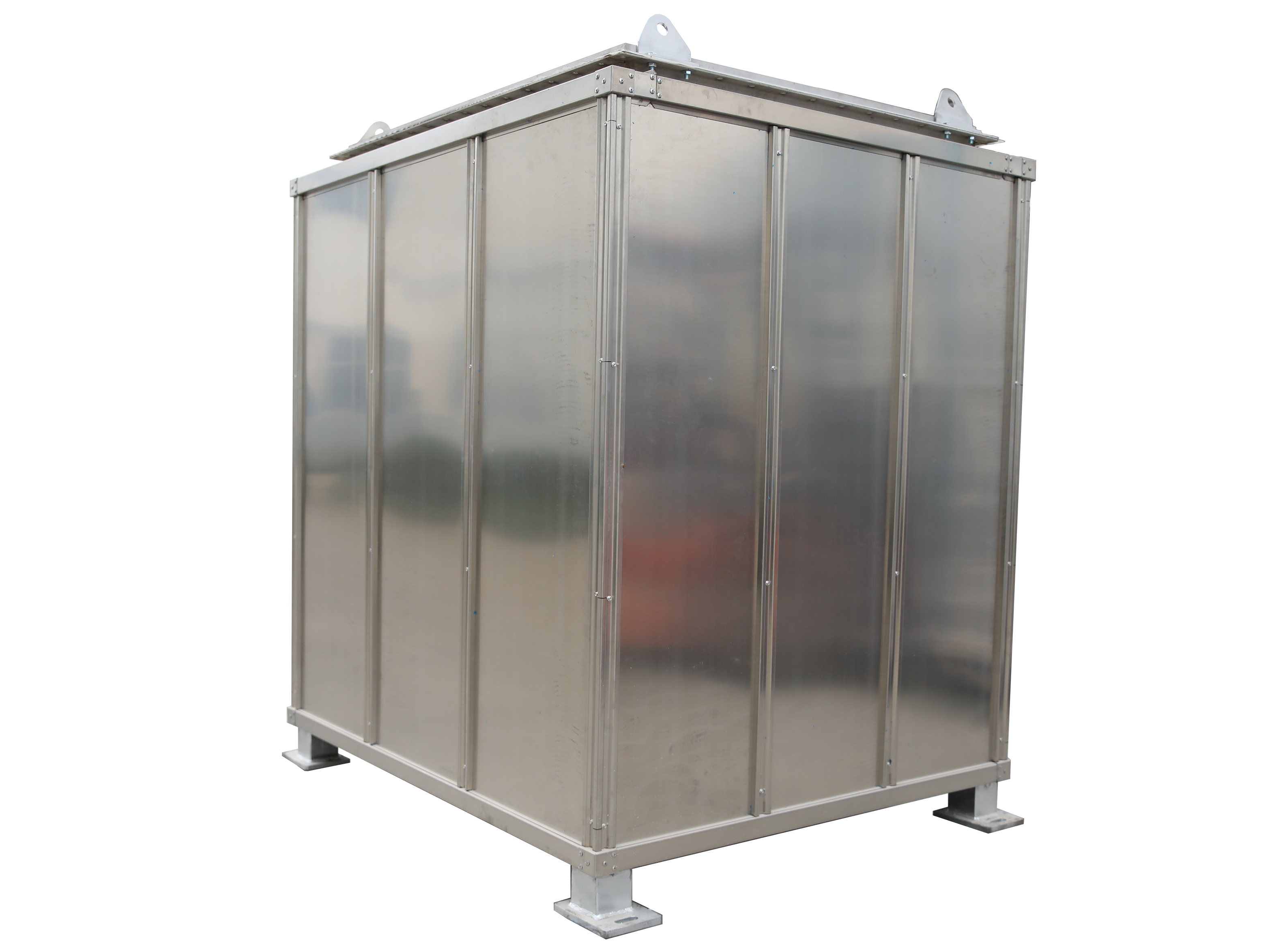
An example of such a high‑performance industrial unit is the Gas‑to‑Gas Platular Heat Exchanger — designed for efficient heat transfer and optimized waste heat recovery in industrial applications.
How Plate Heat Exchanger Waste Heat Recovery Systems Work
Fundamental Mechanism
In a typical WHR setup with a plate heat exchanger:
Hot waste gas stream (e.g., flue gas) enters the heat exchanger.
A secondary medium — often air, water, or process fluid — flows through adjacent channels.
Heat transfers from the hot gas to the secondary medium through the plates — without mixing fluids — due to the temperature difference between the streams.
This recovered heat can then be reused for preheating combustion air, process heating, boiler feedwater, or other industrial tasks.
Key System Components
A waste heat recovery system featuring a plate heat exchanger typically includes:
Waste heat source (e.g., exhaust duct, furnace flue).
Heat recovery plate heat exchanger.
Secondary fluid loop to carry captured energy to its point of use.
Pumps, control valves, and monitoring systems to regulate flow and temperatures.
System Design Considerations
Selecting and integrating plate heat exchangers for WHR requires careful planning around a few core considerations:
Temperature Profiles
A WHR system must be matched to the temperature range of waste heat sources. High‑temperature exhaust gases demand materials and plates designed to withstand thermal stress and corrosion.
Flow Rates and Heat Transfer Efficiency
Efficient operation depends on achieving optimal flow rates and turbulence to maximize heat exchange without excessive pressure drop. A robust plate design — whether corrugated or optimized for high surface area — improves performance.
Fouling and Maintenance
Industrial exhaust streams may contain particulates or contaminants that can reduce heat transfer efficiency. Suitable fouling‑resistant materials and regular maintenance practices help sustain performance over time.
Industrial Applications of Plate Heat Exchanger WHR Systems
Plate heat exchangers are used across many industrial sectors to recover and reutilize waste heat:
1. Preheating Combustion Air
Preheating incoming combustion air using recovered waste heat reduces fuel demand and improves combustion efficiency.
2. Process Heating
In chemical, food, and petrochemical industries, heat exchangers capture and transfer waste heat to process media such as hot oils, steam, or air for heating operations.
3. Metal and Glass Manufacturing
These industries often discharge high‑temperature exhaust gases; a plate heat exchanger recovers heat to preheat raw materials or power auxiliary processes.
️ 4. Power Generation and CHP Systems
Heat recovery from turbine exhaust gases can be used to preheat feedwater or drive auxiliary heating — improving overall plant efficiency and reducing fuel costs.
Benefits of Using Plate Heat Exchangers for WHR
✔ Energy Savings
By recycling heat that would otherwise be wasted, energy costs can be significantly reduced — sometimes by double‑digit percentages.
✔ Lower Emissions
Reduced fuel consumption translates to lower CO₂ and pollutant emissions, supporting sustainability and regulatory compliance.
✔ Improved Process Efficiency
Thermal energy integration into production processes enhances overall plant efficiency and competitiveness.
✔ Space and Cost Savings
Compared to other WHR technologies, plate heat exchangers provide a compact, modular solution that can fit within constrained plant layouts.
Challenges and Limitations
While plate heat exchangers offer significant advantages, they should be designed with awareness of potential challenges:
Fouling
Particulate matter or contaminants in waste streams can build up on plate surfaces, reducing efficiency over time.
Corrosion
Hot flue gases can be corrosive, requiring high‑grade materials and protective coatings — this increases upfront cost but extends service life.
Economic Barriers
For some low‑temperature waste heat sources, the payback period may be longer, and recovery systems may need additional incentives or optimization strategies.
Best Practices for Waste Heat Recovery System Design
To maximize the performance of plate heat exchanger WHR systems:
Conduct a temperature and flow analysis to determine heat source potential.
Select materials appropriate for temperature and corrosive conditions.
Integrate control systems to optimize flow and output.
Plan regular maintenance to mitigate fouling and extend exchanger life.
FAQs
Q1: What is industrial waste heat recovery?
Industrial waste heat recovery is the process of capturing unused heat from industrial processes — like flue gas, hot exhaust, or heated streams — and reusing it in other parts of the plant to improve energy efficiency.
Q2: Why are plate heat exchangers suitable for waste heat recovery?
Plate heat exchangers offer a large heat transfer surface area, compact design, adjustable capacity, and high efficiency, making them effective at recovering and transferring waste heat across media without mixing them.
Q3: How does waste heat recovery reduce emissions?
By reducing fossil fuel demand for heating or power, waste heat recovery systems lower CO₂ emissions and other pollutants, contributing to environmental sustainability.
Q4: In which industries are WHR systems most useful?
WHR systems are widely used in petrochemical, metallurgy, food processing, power generation, cement manufacturing, and HVAC sectors.
Conclusion
Industrial waste heat recovery with plate heat exchangers represents a high‑impact strategy for improving energy efficiency, reducing operational costs, and advancing sustainability. These systems capture energy that would otherwise be lost — transforming it into usable thermal power for preheating, process heating, and other industrial applications.
At the forefront of industrial waste heat recovery technology is Nanjing Prandtl Heat Exchange Equipment Co., Ltd. As a national high‑tech enterprise specializing in efficient and energy‑saving industrial equipment — including the advanced Gas‑to‑Gas Platular Heat Exchanger — Prandtl delivers customized solutions tailored to diverse industry needs. With a strong R&D team, multiple patents, and stringent ISO quality systems, Prandtl supports energy optimization and sustainable industrial development across global markets.


