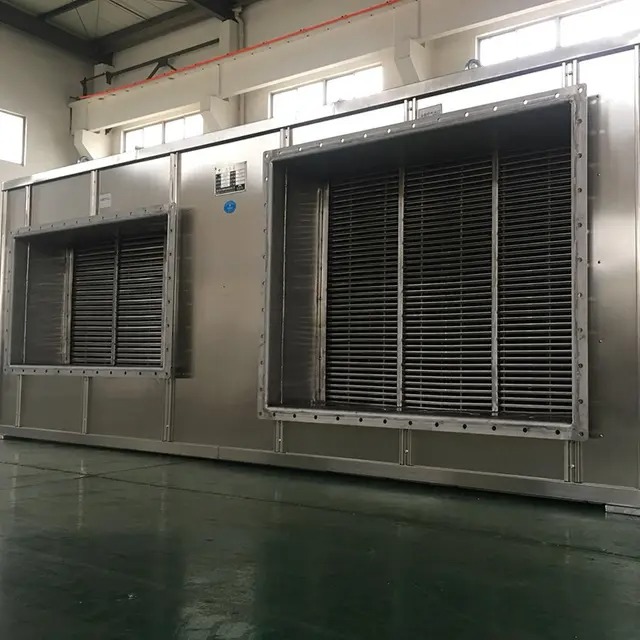
Gas-to-Gas Plate Heat Exchangers are essential components in modern industrial and commercial applications, efficiently transferring heat between two gas streams without physical contact. They provide a solution to complex heat transfer challenges, offering higher efficiency, compactness, and durability compared to traditional heat exchangers. These devices are critical in industries such as chemical processing, power generation, and HVAC systems, where managing heat exchange processes effectively can significantly reduce energy consumption and operational costs.
This article dives deep into the world of gas-to-gas plate heat exchangers, exploring how they function, their advantages, common applications, and how to choose the right system based on specific industrial needs. By the end of this guide, you will have a comprehensive understanding of these high-efficiency systems and how they contribute to a sustainable and cost-effective operation.
What is a Gas-to-Gas Plate Heat Exchanger?
A Gas-to-Gas Plate Heat Exchanger is a specialized device designed to transfer heat between two gases. It consists of a series of thin, corrugated metal plates stacked together, forming multiple channels through which the gases pass. The design of these plates maximizes the surface area for heat exchange while maintaining a compact structure. These heat exchangers are commonly used in situations where the two gases involved need to maintain their separation, and direct contact is not feasible.
Unlike shell and tube heat exchangers, which are typically used for liquid-to-liquid or liquid-to-gas heat exchange, plate heat exchangers are more effective for gas-to-gas heat transfer because they have a higher heat transfer coefficient. This allows for a more efficient exchange of thermal energy between the two gas streams, making them ideal for energy-saving, compact, and industrial applications.
How Does a Gas-to-Gas Plate Heat Exchanger Work?
The operation of a Gas-to-Gas Plate Heat Exchanger revolves around the principle of thermal conduction and convection. When two gases with different temperatures flow through the device, heat is transferred from the hot gas stream to the cooler gas stream via the metal plates that separate them.
The basic process is as follows:
Gas Inlet: Two different gases enter the heat exchanger through separate inlets, typically on opposite sides of the device.
Flow Path: The gases flow through alternate channels created by the stacked plates. The plates have a corrugated design, which forces the gas to flow in a turbulent manner, enhancing heat transfer.
Heat Transfer: As the hot gas passes through its channel, heat is transferred to the metal plates. The cooler gas, which flows in adjacent channels, absorbs this heat, thus raising its temperature.
Gas Outlet: After the heat exchange process, the gases exit the heat exchanger at different temperatures than they entered, with the cooler gas becoming warmer and the hotter gas cooling down.
The high-efficiency design of the plates, along with the turbulent flow created by the corrugated surface, ensures that the heat transfer between the gases is maximized while maintaining a compact system.
Key Features and Advantages of Gas-to-Gas Plate Heat Exchangers
There are several notable features and advantages that make Gas-to-Gas Plate Heat Exchangers a preferred choice in various industrial applications:
High Efficiency: The unique design of plate heat exchangers provides a significantly larger surface area for heat transfer compared to traditional heat exchangers, allowing for better thermal performance.
Compact Size: The plate-based design allows for a compact and space-efficient solution, ideal for industries where space is limited.
Durability: Constructed from corrosion-resistant materials such as stainless steel, gas-to-gas heat exchangers are designed for long-term durability, even in harsh industrial environments.
Energy Saving: By optimizing heat transfer, these heat exchangers reduce the amount of energy required to heat or cool gases, resulting in substantial energy savings and lower operational costs.
Flexibility: They can handle a wide range of temperatures and pressures, making them suitable for various industrial processes.
Applications of Gas-to-Gas Plate Heat Exchangers
Gas-to-Gas Plate Heat Exchangers are widely used in numerous industries where efficient heat exchange is required between gases. Some common applications include:
Chemical and Petrochemical Industry: Used for heating or cooling gases involved in various chemical processes, reducing the need for external energy input.
Power Generation: In power plants, these heat exchangers can be used to recover waste heat from exhaust gases, improving overall energy efficiency.
HVAC Systems: In large heating, ventilation, and air conditioning systems, gas-to-gas heat exchangershelp regulate temperatures and save energy.
Food Processing: Used in the food industry to control temperature during the cooking or drying of gases without contamination.
Environmental Engineering: In industries dealing with gas emissions, plate heat exchangers can be used to manage and recover heat from flue gases.
Benefits of Using Gas-to-Gas Plate Heat Exchangers in Various Industries
Improved Energy Efficiency: By recovering and reusing heat, industries can significantly reduce their energy consumption and improve process efficiency.
Compact Design for Limited Spaces: The ability to fit into smaller spaces makes them perfect for industries where floor space is a premium.
Reduced Operational Costs: The high-efficiency heat transfer reduces the need for additional heating or cooling equipment, leading to lower overall operational costs.
Environmentally Friendly: By optimizing heat usage and reducing energy demand, these heat exchangers contribute to energy-saving initiatives and reduce the carbon footprint of industrial operations.
Choosing the Right Gas-to-Gas Plate Heat Exchanger for Your Needs
Selecting the appropriate Gas-to-Gas Plate Heat Exchanger depends on several factors, such as the specific application, the gases involved, and the heat transfer requirements. When evaluating options, consider:
Flow Arrangement: Whether a counterflow or parallel flow configuration is more suitable for your heat exchange requirements.
Material Selection: The choice of materials must align with the gases being used to prevent corrosion or contamination.
Temperature and Pressure Ratings: Ensure the heat exchanger can handle the required operating conditions, including maximum temperatures and pressures.
Maintenance Requirements: Some heat exchangers are easier to clean and maintain, so select one that fits your maintenance capabilities.
Maintenance and Efficiency Considerations for Gas-to-Gas Plate Heat Exchangers
While Gas-to-Gas Plate Heat Exchangers are known for their durability, regular maintenance is still crucial to maintain high-efficiency performance. Key considerations include:
Cleaning: Regular cleaning of the plates ensures optimal heat transfer. Depending on the application, this may involve chemical cleaning or mechanical cleaning methods.
Inspection: Periodic inspections for leaks, cracks, or signs of wear are essential to prevent costly downtime.
Sealing: The seals between the plates must be checked and replaced as needed to prevent gas leakage and maintain system efficiency.
Conclusion
In conclusion, Gas-to-Gas Plate Heat Exchangers are vital components in many industries, offering energy-saving, durable, and compact solutions for efficient heat transfer. By understanding their design, operation, and applications, industries can optimize their processes, reduce operational costs, and contribute to more sustainable practices.
FAQ
1.What is the primary function of a gas-to-gas plate heat exchanger? The primary function is to transfer heat between two gas streams without direct contact, providing efficient thermal energy exchange.
2.What industries commonly use gas-to-gas plate heat exchangers? They are used in industries such as chemical processing, power generation, HVAC, food processing, and environmental engineering.
3.How do gas-to-gas plate heat exchangers differ from other heat exchangers? They are specifically designed for gas-to-gas heat exchange, offering a compact, high-efficiency alternative to traditional shell and tube exchangers.
4.Are gas-to-gas plate heat exchangers energy-efficient? Yes, they are known for their energy-saving capabilities, as they maximize heat transfer and reduce the need for external heating or cooling sources.
5.What factors should be considered when choosing a gas-to-gas plate heat exchanger? Key factors include the flow arrangement, material compatibility, operating temperatures and pressures, and ease of maintenance.