Contents
Introduction
The Importance of Heat Exchangers in Various Industries
Gas-to-Gas Plate Heat Exchanger: How It Works
Industries That Can Benefit from Gas-to-Gas Plate Heat Exchangers
Key Benefits of Using a Gas-to-Gas Plate Heat Exchanger
Conclusion
FAQ
Introduction
In the world of modern industrial processes, heat exchangers play a crucial role in optimizing energy consumption and improving overall efficiency. Among the various types of heat exchangers, the Gas-to-Gas Plate Heat Exchanger stands out due to its unique design, energy-saving capabilities, and versatility. These systems are particularly effective for industries dealing with high-temperature gases, where efficient thermal management is critical for maintaining performance and reducing operational costs.
In this article, we will explore how Gas-to-Gas Plate Heat Exchangers work and identify the industries that can significantly benefit from their use. This analysis will shed light on the diverse applications of these high-efficiency systems and how they can drive both environmental and economic benefits.
The Importance of Heat Exchangers in Various Industries
Heat exchangers are integral components in many industrial systems, as they facilitate the transfer of heat between two fluids without mixing them. Gas-to-Gas Plate Heat Exchangers, in particular, are designed to transfer heat between two gases, making them ideal for situations where gases need to be cooled or heated without introducing contaminants or altering their properties. These systems are compact, energy-efficient, and durable, offering businesses a solution to improve process efficiency and reduce energy costs.
Why Gas-to-Gas Heat Exchangers Are Important
A Gas-to-Gas Plate Heat Exchanger works by using a series of stacked plates that create a series of channels through which the gases flow. The professional design ensures a high surface area for heat exchange, allowing for efficient energy transfer between the gases. This method is particularly effective in industries that deal with hot gases as it minimizes heat loss, provides a compact footprint, and offers substantial energy savings. With the rising emphasis on sustainability and energy conservation, these heat exchangers are becoming more prevalent in industrial applications.
Gas-to-Gas Plate Heat Exchanger: How It Works
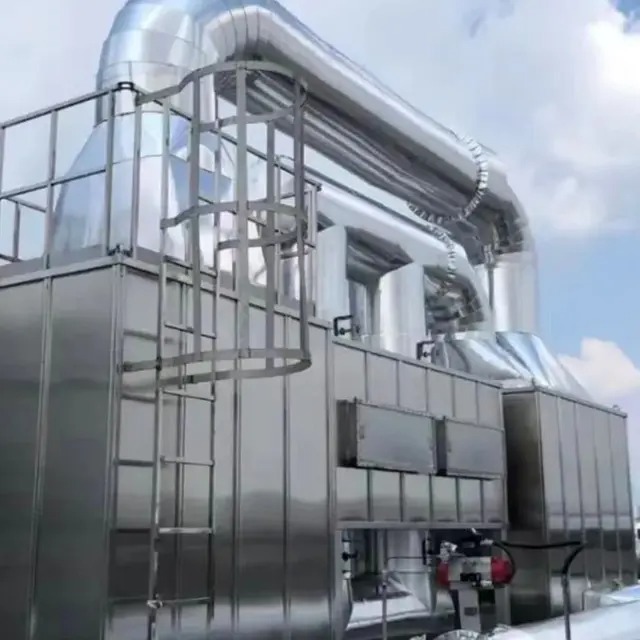
A Gas-to-Gas Plate Heat Exchanger uses a series of stainless-steel plates to create channels through which gases can flow. These plates are arranged in such a way that heat from one gas is transferred to another. The compact and durable design ensures that the heat exchanger is efficient in energy transfer and can operate under high temperatures.
Features of Gas-to-Gas Plate Heat Exchangers:
Compact Size: Plate heat exchangers are more compact than traditional heat exchangers, making them ideal for facilities with limited space.
Energy Efficient: They minimize heat loss and improve the overall energy efficiency of the system.
Durable Materials: These heat exchangers are typically made from high-quality, durable materials that can withstand extreme temperatures and pressures.
Modular Design: The modular design allows for easy scaling of the system to meet the needs of different industries.
By efficiently transferring heat between gases, these systems help industries reduce energy costs and improve overall system efficiency.
Industries That Can Benefit from Gas-to-Gas Plate Heat Exchangers
The versatility of Gas-to-Gas Plate Heat Exchangers makes them suitable for a wide range of industries. Below, we will explore some key industries that benefit from these high-efficiency systems.
Industrial Manufacturing
In industrial manufacturing, especially in processes involving metal processing, ceramics, and glass manufacturing, high-temperature gases are often produced. These gases need to be cooled or heated to precise temperatures for various stages of production. Gas-to-Gas Plate Heat Exchangers provide a compact and energy-saving solution for these industries, ensuring temperature control without significant energy consumption.
Key Benefits:
Energy and Power Generation
In the energy and power generation sector, heat exchangers are crucial for the efficient transfer of thermal energy from hot gases. Gas turbines, for example, produce exhaust gases at extremely high temperatures. The Gas-to-Gas Plate Heat Exchanger is used to capture waste heat from the exhaust gases and transfer it to other parts of the system, improving overall plant efficiency.
Key Benefits:
Enhanced energy recovery from exhaust gases.
Significant reduction in fuel consumption.
Durable design suited for harsh operating conditions.
Chemical Processing
The chemical processing industry involves high-temperature reactions and the handling of various gases that need precise temperature management. Gas-to-Gas Plate Heat Exchangers are used to manage the thermal conditions of gases in reactors and other processing equipment. By recovering waste heat and reusing it in the process, these heat exchangers contribute to energy savings and sustainability in chemical plants.
Key Benefits:
Efficient heat management of gas streams.
Low maintenance due to the professional design.
Energy saving by recycling heat energy.
HVAC Systems
In HVAC (Heating, Ventilation, and Air Conditioning) systems, Gas-to-Gas Plate Heat Exchangers are used to optimize energy use in building climates, particularly in areas with extreme outdoor temperatures. They are commonly found in heat recovery systems, where heat from exhaust gases is transferred to incoming air, reducing the need for additional heating or cooling.
Key Benefits:
Energy-efficient heating and cooling.
Reduced environmental impact by reusing energy.
Cost-effective solution for large facilities.
Food and Beverage Industry
The food and beverage industry requires strict temperature control to preserve product quality and safety. Gas-to-Gas Plate Heat Exchangers help control the temperature of air or gases in ovens, drying systems, and pasteurization processes, reducing energy consumption and maintaining consistent product quality.
Key Benefits:
Precise temperature control in food processing.
Energy-saving by reusing waste heat.
Compact design for easy installation in production lines.
Pharmaceutical and Biotechnology
The pharmaceutical and biotechnology industries often deal with sensitive chemical reactions and processes that require highly controlled environments. Gas-to-Gas Plate Heat Exchangers offer a reliable way to regulate the temperature of gases in fermentation and drying processes, ensuring product consistency and preventing temperature fluctuations that could affect product quality.
Key Benefits:
Ensures consistent temperatures for sensitive processes.
Durable materials ensure long service life.
Cost-effective energy-saving solution.
Automotive Industry
In the automotive industry, Gas-to-Gas Plate Heat Exchangers are used in exhaust gas recirculation systems and various other thermal management processes. These heat exchangers improve the efficiency of engines by recovering waste heat from exhaust gases and redirecting it back into the system, resulting in fuel savings and reduced emissions.
Key Benefits:
Improved fuel efficiency through heat recovery.
Lower emissions due to efficient exhaust gas management.
Compact design for integration into vehicle systems.
Key Benefits of Using a Gas-to-Gas Plate Heat Exchanger
A Gas-to-Gas Plate Heat Exchanger provides numerous advantages for industries seeking to optimize energy use, reduce operational costs, and increase efficiency. Some of the primary benefits include:
| Benefit | Description |
| Energy Saving | Efficient heat transfer reduces the need for additional heating or cooling, leading to lower energy consumption. |
| Compact Design | The space-saving design makes it ideal for industries with limited space. |
| Durability | Built with high-quality materials, these exchangers have a long lifespan, even in harsh conditions. |
| Cost-Effective | By recovering waste heat, these exchangers help lower energy bills and improve overall operational efficiency. |
| High Efficiency | The high-efficiency design ensures effective heat transfer with minimal heat loss. |
Conclusion
The Gas-to-Gas Plate Heat Exchanger is a versatile and energy-efficient solution for various industries. From industrial manufacturing to automotive, these heat exchangers help businesses improve energy efficiency, reduce costs, and meet sustainability goals. Their compact design, high efficiency, and durable materials make them an attractive choice for industries looking to optimize their heat transfer processes.
As industries continue to prioritize energy conservation and sustainability, Gas-to-Gas Plate Heat Exchangers will remain a critical technology in improving operational performance and reducing environmental impact.
FAQ
1.What is the main advantage of a Gas-to-Gas Plate Heat Exchanger?
The main advantage is its ability to efficiently transfer heat between gases, leading to significant energy savings and improved system efficiency.
2.Can a Gas-to-Gas Plate Heat Exchanger be used in all industries?
While it is most beneficial in industries with high-temperature gases, it can be adapted to a wide range of applications, including chemical processing, HVAC systems, and energy generation.
3.How durable are Gas-to-Gas Plate Heat Exchangers?
These heat exchangers are made from high-quality, durable materials, ensuring long-term performance even in harsh industrial environments.
4.Are Gas-to-Gas Plate Heat Exchangers cost-effective?
Yes, they offer a cost-effective solution by reducing energy consumption and optimizing the overall efficiency of industrial systems.
5.Do Gas-to-Gas Plate Heat Exchangers require regular maintenance?
While these heat exchangers are designed to be low maintenance, regular cleaning and inspections are recommended to ensure optimal performance.


