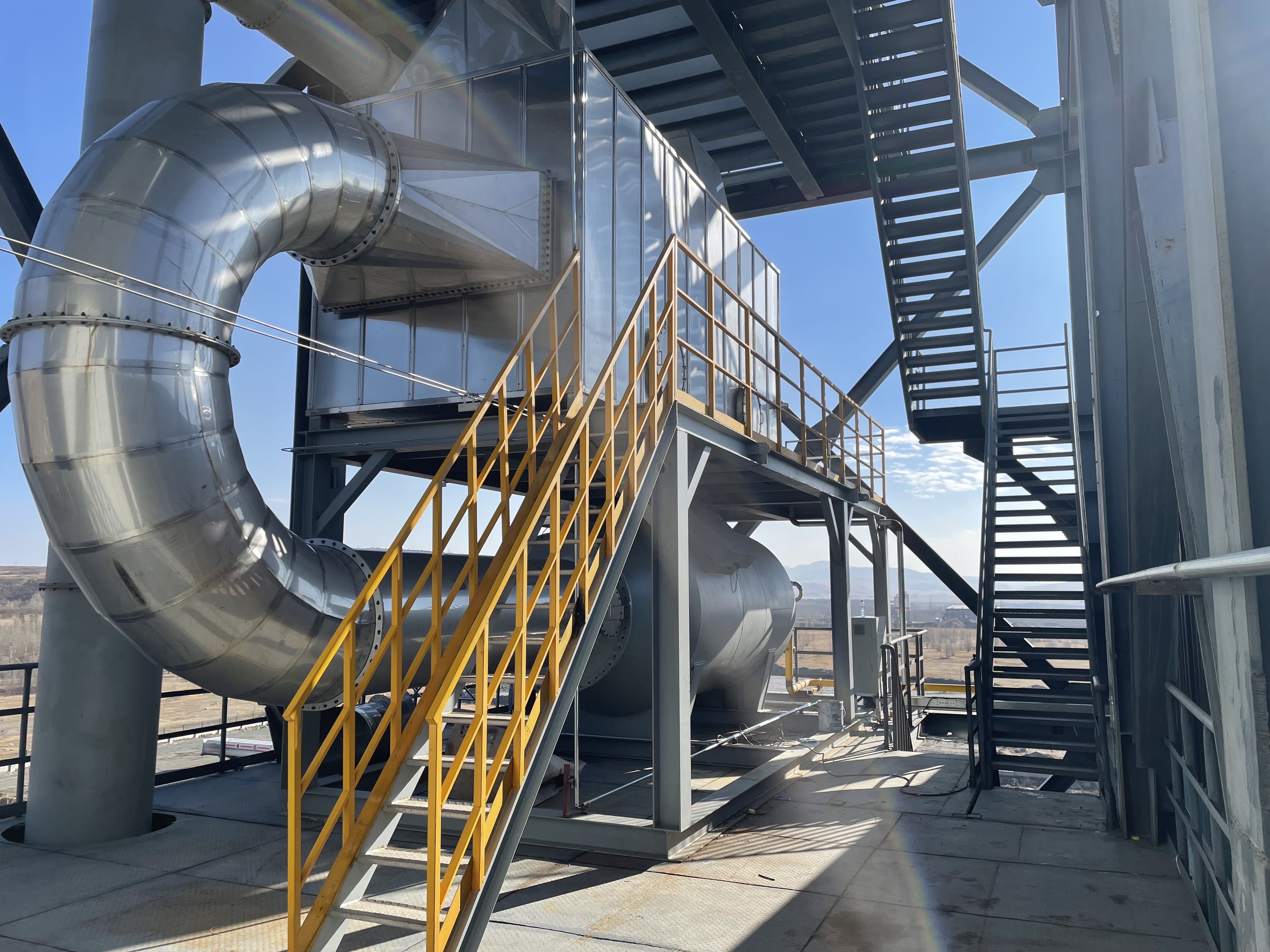
Heat exchangers are the heart of many industrial thermal systems — whether for heating, cooling, waste‑heat recovery, or temperature regulation. However, even the best-designed heat exchanger will underperform, consume more energy, or even fail if maintenance is neglected. In this article, we examine how to maintain heat exchangers for optimal heat transfer, longevity, and safety, with practical guidance grounded in current industry best practices and the latest research.
We will also analyze different types — including crossflow heat exchanger — and show how maintenance practices vary among them. Embedded in this discussion is a focus on thermal performance optimization, turbulent flow, and temperature control.
Why Maintenance Matters for Heat Exchangers
The Role of Heat Exchangers and Why They Degrade
A heat exchanger allows efficient heat transfer between two fluid streams — hot and cold — without mixing them.
Over time, several factors degrade heat exchanger performance:
Fouling: accumulation of scale, sediments, biological growth or other deposits on heat‑transfer surfaces. This acts as insulation and reduces heat transfer efficiency.
Corrosion and material degradation, which can lead to leaks, cracking, or structural failures.
Mechanical wear and failures, including deterioration of seals or gaskets, bending or erosion of tubes, or damage caused by pressure or vibration.
Fluid contamination or scaling due to poor quality fluid, improper fluid treatment, or unsuitable fluid chemistry.
Left unchecked, these issues lead to reduced heat transfer efficiency, increased energy consumption, frequent breakdowns, and potentially hazardous failures — such as leaks, overheating, or even fire/explosion in extreme cases.
Benefits of Regular Maintenance
Consistent maintenance brings multiple advantages:
Restores and preserves thermal performance, ensuring the heat exchanger continues to deliver required heating or cooling capacity.
Extends equipment lifespan and delays expensive replacements.
Reduces energy consumption and operating costs by avoiding inefficiencies caused by increased pressure drop or poor heat transfer.
Minimizes unplanned downtime — a critical benefit for continuous industrial processes.
Enhances safety, avoiding leakages, overpressure, corrosion-related failures, or contamination.
Given these benefits, implementing a consistent and well‑documented maintenance program is essential for any industrial operation using heat exchangers.
Key Maintenance Strategies — Cleaning, Inspection, Monitoring
To maintain optimal performance, a combination of cleaning, inspection, fluid monitoring, and operational adjustments is required. Below is a breakdown of core maintenance strategies.
Regular Cleaning & Fouling Management
| Cleaning Method | What It’s Good For | Notes / Best Practices |
| Mechanical cleaning (e.g. brushing, scraping) | Removes light to moderate deposits, sediments, silt | Effective for shell‑and‑tube and plate exchangers with accessible tubes. Should be done periodically before heavy fouling occurs. |
| Chemical cleaning | Dissolves mineral scale, biological deposits, stubborn fouling | Use compatible chemicals to avoid damaging surfaces. Follow with thorough rinsing to avoid residual corrosion risk. |
| High‑pressure water jetting | Removes scale, sludge, biofilms, debris from tubes or plates | Particularly useful for tube‑type or shell‑and‑tube exchangers, and those processing sludgy or particulate fluids. |
Recommendation: Establish a cleaning schedule based on fluid type, fouling rate, and operational demands, rather than waiting for visible performance degradation. Many experts recommend at least an annual inspection and cleaning — more often if fluids are corrosive, scaling, or contain particulates.
Inspection & Monitoring of Condition
Routine inspection and monitoring provide early detection of problems — before they escalate into major failures. Key inspection tasks include:
Visual inspections: Check shell, tubes, gaskets/seals, and welds for signs of corrosion, leakage, cracks, deformation.
Pressure and temperature monitoring: Track inlet/outlet temperatures and pressure drops. Unexpected high pressure drop or unexpected temperature differences often indicate fouling, blockages, or flow issues.
Fluid analysis: Regularly test the heat transfer fluid (HTF) for contaminants, pH, chemical composition, or degradation — especially if using chemical-based fluids.
Non‑destructive examination (NDE) for critical exchangers: where applicable, use techniques such as dye-penetrant testing, ultrasonic testing, or other NDE methods to check for hidden cracks or flaws.
By combining these measures, maintenance teams can catch early signs of wear, fouling, or corrosion and plan interventions proactively.
Preventive Maintenance Planning & Operational Adjustments
Rather than reacting to problems, many industries now adopt a preventive maintenance approach. This involves:
Scheduling periodic maintenance (cleaning, inspections, gasket replacement) during planned shutdown periods.
Monitoring fluid quality and replacing or treating fluid as needed. For instance, using filtration or water treatment to prevent scaling or contamination.
Adjusting flow rates and operating parameters (temperature, pressure) to avoid excessive stress, reduce fouling, and maintain efficient heat transfer.
Replacing worn gaskets, seals, or tubes proactively to avoid leaks or breakdown.
Documenting all maintenance activities, observations, and performance metrics — so that you can build a predictive maintenance plan tailored to your operational conditions.
Special Consideration: Crossflow Heat Exchanger Maintenance
While many of the above practices apply to all kinds of heat exchangers, crossflow heat exchangers — where fluid streams flow perpendicular to each other — have some unique aspects worth noting.
What Is a Crossflow Heat Exchanger
In a crossflow design, one fluid flows in one direction (e.g., horizontally), while the second fluid flows perpendicular to that (e.g., vertically), allowing heat exchange across a broad area. This design is valued for its compactness, simplicity, and relatively high heat‑transfer efficiency while balancing pressure drop.
Because of its geometry and flow arrangement, maintenance must account for possible fouling and flow irregularities that may not be uniform across the exchanger.
Common Issues in Crossflow Heat Exchangers
Some of the common problems encountered:
Uneven fouling and corrosion: Due to varying flow velocities across different flow channels.
Flow channel blockage or sediment accumulation, particularly on the slower-flow side or near edges where flow stagnation may occur.
Leaks or seal failures at joints — especially with repeated thermal cycling or pressure changes.
Maintenance Protocols for Crossflow Exchangers
To keep a crossflow heat exchanger in top shape:
Regular inspection: Check for early signs of fouling, corrosion, or uneven flow especially at corners or edges.
Cleaning: Use a combination of chemical cleaning, high-pressure water cleaning, or mechanical cleaning depending on the type of fouling.
Seal and gasket maintenance: Regularly check and replace any worn seals or gaskets to prevent leaks.
Flow optimization: Ensure flow rates on both fluids remain within design parameters. Misbalanced flow may cause hot or cold spots, reduced heat transfer, or accelerated fouling.
Performance monitoring: Track inlet/outlet temperatures and pressure drop to detect deviations. A sudden drop in thermal performance or increase in pressure differential often signals fouling or blockage.
Given the geometry and flow behavior of crossflow designs, such regular and thorough maintenance is particularly critical.
Thermal Performance Optimization & Advanced Maintenance Strategies
Beyond basic cleaning and inspection, modern industry is embracing advanced strategies to optimize thermal performance and extend service life of heat exchangers — especially under demanding conditions.
Using Enhanced Heat Transfer Surfaces & Turbulent Flow
Modern heat exchanger design increasingly leverages enhanced heat transfer surfaces — e.g., fins, corrugations, turbulators — to boost the rate of heat transfer without excessive pressure drop.
These designs promote turbulent flow, which increases mixing and disrupts boundary layers on fluid walls, thereby raising the convective heat transfer coefficient. Higher turbulence often leads to better thermal performance, especially in compact exchangers or where flow rate is limited.
However, these enhanced surfaces require vigilant maintenance — fouling or deposit buildup can negate the benefits quickly by blocking fins, reducing turbulence, and lowering heat transfer. Thus cleaning intervals may need to be more frequent than for plain surfaces.
Data‑Driven Monitoring & Predictive Maintenance
Recent advances are enabling more data‑driven maintenance. For instance, a study demonstrated real‑time health monitoring of a heat exchanger using physics‑informed neural networks (PINNs), which can track thermal behavior under varying conditions and predict performance degradation before actual failure.
By combining real-time data (temperatures, flow rates, pressure drops) with predictive models, operators can optimize maintenance scheduling to minimize downtime and maximize thermal performance optimization — rather than relying solely on periodic manual inspection.
System Upgrades & Material/Design Improvements
As part of long-term maintenance strategy, many facilities choose to upgrade exchanger components — especially if operating conditions are aggressive (e.g., high temperature, corrosive fluids, particulate-laden media). Strategies include:
Using corrosion‑resistant materials (e.g., stainless steel, titanium) to extend life.
Design enhancements such as modular construction for easier disassembly and cleaning, or improved flow geometry to reduce stagnant zones and improve fluid distribution.
Integration of real-time monitoring systems to track temperatures, flow, pressure, and detect anomalies early.
This approach ensures that the heat exchanger remains efficient, safe, and adaptable to evolving operational demands.
Practical Maintenance Program — Step‑by‑Step Guide
Here is a recommended maintenance program for industrial heat exchangers. You can adapt this based on your operational environment, fluid type, and exchanger design (shell-and-tube, crossflow, plate, etc.).
Maintenance Schedule Overview
| Frequency | Tasks |
| Daily / Weekly | Monitor and log inlet/outlet temperature control, pressure drop, flow rates; conduct visual checks for leaks, unusual noise, vibration. |
| Monthly | Check fluid quality (if applicable): pH, turbidity, contaminants; examine seals/gaskets for wear; check for early signs of fouling or corrosion. |
| Quarterly | If fluids are aggressive or fouling-prone: perform partial cleaning (mechanical or water‑jet), lubricate any moving parts, verify instrumentation (thermometers, pressure gauges). |
| Biannual / Annual | Full inspection (shell, tubes, plates, welds, baffles), thorough cleaning (chemical + mechanical), gasket/seal replacement as needed, pressure testing & leak check, fluid replacement or treatment. |
| As Needed | Perform non-destructive testing (NDE) for critical units; upgrade components or surfaces as needed; re‑assess performance data for abnormal trends. |
Example Maintenance Checklist
- Log inlet/outlet temperatures (hot & cold side)
- Record pressure drops across exchanger
- Visually inspect for leaks, corrosion, scaling, deposits
- Sample and analyze fluid chemistry (if applicable)
- Clean heat transfer surfaces if fouling indicators are present
- Replace gaskets/seals if wear or deformation detected
- Lubricate movable parts (e.g. bolts, hinges) if applicable
- Perform pressure/leak test after maintenance
- Document all maintenance activities and performance data
By following such a structured maintenance program, you can systematically reduce the risk of fouling, maintain efficient heat transfer, uphold temperature control, and extend the life of your heat exchanger assets.
Comparative Overview — Maintenance Considerations for Different Heat Exchanger Types
Different types of heat exchangers require slightly different maintenance approaches. Here is a summarized comparison:
| Heat Exchanger Type | Common Issues / Challenges | Key Maintenance Focus |
| Shell and Tube | Fouling on tube side, corrosion, leaks due to pressure/temperature stress, uneven flow distribution | Regular tube cleaning, fluid quality monitoring, pressure testing, NDE inspections, baffle & tube bundle checks |
| Crossflow | Uneven fouling, localized deposits, seal/gasket failure, flow imbalance | Frequent cleaning of channels, seal/gasket replacement, flow‑rate monitoring, temperature/pressure checks |
| Plate & Frame | Gasket wear/leakage, fouling between plates, difficulty cleaning tightly spaced plates | Regular regasketing, chemical/ mechanical cleaning, careful closing bolting to avoid leaks, pressure testing |
| Finned / Enhanced‑surface | Fouling on fins, reduced turbulence due to deposits, difficulty in cleaning intricate surfaces | Frequent inspection and cleaning, surface treatment if needed, monitoring of thermal performance, possibly adopting turbulent flow when cleaning or redesigning if fouling persists |
Understanding the particular risks and maintenance needs of each type ensures your maintenance program is tailored — maximizing thermal performance optimization and minimizing operational disruptions.
Integrating Temperature Control & Thermal Performance in Maintenance Strategy
Temperature control is often both the objective and the challenge in systems using heat exchangers. For operations requiring precise heating or cooling, maintaining stable temperature output is critical. Maintenance plays a vital role in supporting stable temperature control.
Monitoring inlet and outlet temperatures regularly helps detect declines in performance — for example, a lower-than-expected outlet temperature or increased temperature difference across the exchanger may indicate fouling or reduced heat transfer efficiency.
In systems where fluid temperature or flow fluctuates, maintaining flow uniformity and avoiding stagnant zones (through proper flow design, baffle maintenance, avoiding channel blockage) helps prevent hot or cold spots, improving overall thermal performance optimization.
For high-performance requirements, coupling maintenance with data‑driven monitoring (sensors, possibly predictive analytics or real‑time models) allows operators to respond proactively to performance degradation — before temperature control fails. This aligns with emerging trends in predictive maintenance and digital‑twin integration.
Hence, a maintenance strategy that emphasizes both structural integrity and real-time performance data helps ensure reliable temperature control and system efficiency.
Emerging Trends & Advanced Considerations in Heat Exchanger Maintenance
As industrial systems modernize, maintenance practices are evolving — embracing new technologies and data‑driven approaches. Some of these trends include:
Predictive Maintenance & Digital Twin / AI‑Driven Monitoring
Rather than periodic, calendar-based maintenance, more facilities are adopting predictive maintenance using real‑time monitoring data, combined with modeling and analytics. For instance, a recent study demonstrated that using a physics-informed neural network (PINN) allows real-time health monitoring of a heat exchanger, with the capability to forecast performance degradation and trigger maintenance before failures occur.
This approach significantly reduces unplanned downtime, optimizes maintenance intervals (rather than over‑ or under‑maintaining), and improves thermal performance optimization over the lifetime of the equipment.
Design Improvements — Enhanced Surfaces, Materials, Modular Configurations
Advancements in heat exchanger design — such as using enhanced surfaces, modular construction, corrosion-resistant materials — make maintenance easier and improve durability. As noted earlier, enhanced heat transfer surfaces can increase efficiency per unit area, reduce required exchanger size, or lower necessary temperature difference.
When combined with maintenance-friendly design (e.g., easy disassembly, accessible cleaning points, modular plate or tube bundles), these improvements make upkeep more manageable and cost-effective, especially for harsh or fouling‑prone operating environments.
Optimizing Cleaning Schedules — Balancing Performance and Cost
Frequent cleaning improves performance, but cleaning too often can be costly and cause unnecessary downtime. Researchers have proposed optimization methods — such as scheduling cleaning intervals based on fouling behavior, cost of cleaning vs. cost of reduced efficiency, and overall system energy recovery potential.
Therefore, a data‑driven cleaning schedule — informed by monitoring results, historical fouling behavior, and performance metrics — can provide the best balance between maximizing heat transfer efficiency and minimizing maintenance costs / downtime.
Implementing a Maintenance Program — Recommendations for Industrial Operators
Based on the insights above, here are recommended steps for organizations using heat exchangers in production or processing systems:
Inventory & classify all heat exchangers in your facility (shell‑and‑tube, crossflow, plate, enhanced‑surface, etc.), noting design, material, fluid types, operating conditions (temperature, pressure, flow).
Establish a baseline performance log — record inlet/outlet temperatures, pressure drops, flow rates, fluid properties. This will serve as reference for future performance assessment.
Define a maintenance schedule tailored to each exchanger type and operating conditions — combining daily/weekly monitoring, monthly inspections, and periodic cleaning/overhaul.
Adopt fluid management practices — ensure heat transfer fluid quality, treat fluids to avoid scaling and corrosion, test fluid periodically.
Perform regular cleaning and fouling control — select appropriate cleaning methods (mechanical, chemical, or high-pressure water), especially before performance degradation becomes critical.
Maintain seals, gaskets, and mechanical parts — replace worn components proactively to prevent leaks or failures.
Monitor performance metrics continuously — temperature control, pressure drop, flow balance. Use this data to flag early warnings and trigger maintenance.
Consider upgrades or design enhancements for aging or problematic exchangers — e.g., surface upgrades, modular redesign, material improvements.
Explore predictive maintenance technologies — real-time sensors, data analytics, possibly AI-based or model‑based monitoring to forecast issues before they affect production.
Maintain detailed maintenance records — documenting inspections, cleanings, repairs, and performance trends helps refine maintenance intervals and justify upgrades or replacements.
Summary & Key Takeaways
Effective heat exchanger maintenance is crucial for ensuring efficient heat transfer, energy savings, safe operation, and extended equipment life.
Core practices include regular cleaning (mechanical, chemical, or high‑pressure water jetting), routine inspection and monitoring, fluid quality control, and component maintenance (gaskets, seals, tubes).
Crossflow heat exchangers require particular attention due to their flow geometry: uneven fouling, flow imbalance, and seal failures are common issues — demanding specialized maintenance protocols.
Adopting advanced strategies such as turbulent flow enhancements, enhanced heat transfer surfaces, and data‑driven monitoring/predictive maintenance can greatly improve long‑term performance.
A structured maintenance program combining scheduled inspections, performance logging, fluid monitoring, cleaning, and proactive component replacement offers the best return on investment — minimizing downtime and maximizing system reliability.
FAQs
Q1: How often should I clean a heat exchanger?
It depends on fluid characteristics, fouling propensity, and operating conditions. A general recommendation is to inspect monthly and perform cleaning at least annually. For systems with high fouling risk (e.g., scaling water, sludgy fluids), cleaning may be required quarterly or even more frequently.
Q2: How can I tell if my heat exchanger’s performance is degrading?
Watch for indicators such as reduced outlet temperature difference, increased pressure drop, unusual noise or vibration, or visible signs of fouling or leaks. Tracking these parameters regularly helps catch issues early.
Q3: Does using enhanced‑surface (finned or corrugated) heat exchangers reduce maintenance needs?
Not necessarily — while enhanced surfaces offer higher heat transfer efficiency and may reduce required size, they often require more diligent cleaning and inspection, because fouling can quickly negate the efficiency gains.
Q4: What additional precautions are needed for a crossflow heat exchanger compared to a shell‑and‑tube design?
Crossflow units demand careful attention to flow balancing, seal and gasket integrity, and cleaning of channels prone to uneven fouling. Flow‐rate monitoring and regular cleaning — even if performance seems acceptable — are important to avoid localized blockages or corrosion.
Q5: Can predictive maintenance and real‑time monitoring replace periodic manual inspection?
Predictive maintenance (e.g., via sensors, data analysis, or AI‑driven models) can significantly enhance efficiency and early fault detection, but it should complement — not wholly replace — periodic manual inspections, cleaning, and mechanical checks, especially for critical equipment.


