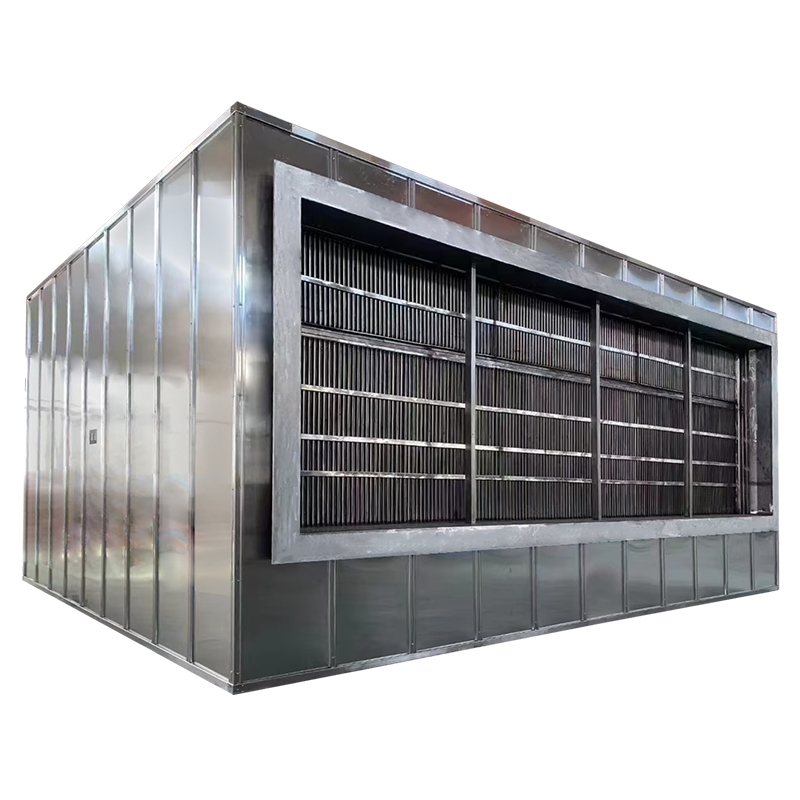
You can see plate heat exchangers in many factories. They move heat between two fluids. The fluids do not touch each other. This keeps the system safe and clean. You find these devices in oil cooling. They are also used in chemical processing and water heating. Industries use them to work better and faster. Here is how different industries use plate heat exchangers:
Industry | Market Share (%) |
Power Generation | 23.3 |
Petrochemicals | 23 |
HVAC and Refrigeration | >15 |
Others | 39 |
These numbers show plate heat exchangers help many important jobs in industry.
Key Takeaways
Plate heat exchangers move heat between two fluids. The fluids do not mix. This keeps them safe and useful in many industries.
Picking the best materials and designs helps plate heat exchangers work better. It also makes them last longer in tough places.
Maintenance is important for plate heat exchangers. Cleaning and checking for leaks keeps them working well. This stops expensive breaks.
Plate heat exchangers are small and take up less space. They fit well in modern factories and plants.
Industries save energy and money with plate heat exchangers. These devices make systems work better overall.
Plate Heat Exchangers in Industry
Key Components
Plate heat exchangers have many parts. Each part helps the system work well. Plates give a big area for heat to move. They help fluids flow in opposite ways. This makes heat move better. Gaskets seal the plates. They stop leaks and keep fluids apart. Frames hold all the parts together. They press the plates tightly. Headers guide fluids in and out.
The plates make thin channels. These channels force fluids to move in a special way. This causes turbulent flow. Turbulent flow mixes the fluids inside each channel. It helps heat move faster from one fluid to another. Gaskets keep fluids from mixing. The frame keeps the unit strong under high pressure. Headers send each fluid to the right spot.
Note: Many industries pick different plate materials. They match the plates to the fluids they use. Some fluids need plates that resist corrosion. This is important in chemical plants or refineries.
Types Used
There are three main types of plate heat exchangers. Each type fits different jobs and needs.
Gasketed Plate Heat Exchangers
You can open these units for cleaning. They work well at lower pressures and moderate temperatures. Gaskets make them easy to fix. They can leak if not checked often.
Brazed Plate Heat Exchangers
These units use a permanent bond instead of gaskets. They handle higher pressures and temperatures. Their small size gives better thermal efficiency. They are reliable and fit in tight spaces.
Welded Plate Heat Exchangers
Welded types use metal welds to seal the plates. You can use them for very high-pressure or high-temperature jobs. They are strong and last a long time. You cannot open them for cleaning.
Plate heat exchangers are used in power plants, refineries, HVAC systems, and homes. Each industry has its own needs. Some want to save energy. Others need to use less space or handle special fluids. Rules help choose materials and designs. This keeps everything safe and efficient.
How Plate Heat Exchangers Work
Fluid Flow and Heat Transfer
Plate heat exchangers look like a stack of thin metal plates. These plates make lots of small channels for fluids to move through. The fluids travel in different paths, switching back and forth. One fluid goes in one set of channels. The other fluid moves in the channels next to them. This keeps the fluids apart but lets them get close together.
The way the fluids move helps heat transfer work better. The channels make the fluids flow in opposite directions. This is called counter-flow. Sometimes, fluids go through more than one section. This is called a multi-pass design. These things help in three big ways:
The fluids spread out evenly over all the plates.
There are fewer spots where fluid stands still, so heat moves better.
The temperature difference between the fluids gets bigger, which helps heat move faster.
The plates act like walls. Heat moves through the metal by conduction. The hot fluid gives heat to the plate. The plate then gives heat to the cold fluid on the other side. The fluids never mix, but heat still moves from one to the other.
A frame holds the plates together with bolts. Headers send the fluids into the right channels. Some frames can open up for cleaning or changing plates. This helps keep the system working well.
Tip: For the best results, make sure the fluids move evenly. Good flow means better heat transfer and saves energy.
Step-by-Step Operation
Here are the steps for how plate heat exchangers work in factories:
Step | Description |
1 | Learn what the project needs, like the environment and if the materials will work. |
2 | Do design math to pick the right materials. |
3 | Work together to check if the project needs are met. |
4 | Pick materials that do not rust and move heat well. |
5 | Cut and weld the parts carefully and exactly. |
6 | Check the parts and test them to make sure they work. |
7 | Add coatings to stop rust. |
8 | Make sure all parts arrive on time. |
First, you pick the right materials and design for the job. You check the fluids, temperatures, and pressures. You make sure the plates are strong enough. You build the unit with care, using strong frames and tight bolts. You test everything before using it. You keep the system clean and look for leaks. Doing these things helps you get the best use from your plate heat exchangers.
If you want to know how plate heat exchangers work, remember this: the design lets you move heat between fluids quickly and safely. You can use them in many places because they work well and are easy to take care of.
Efficiency Factors
Plate Design and Materials
You can make a plate heat exchanger work better by picking the right plate design and materials. The shape and surface of the plates are very important. Plates with special patterns or bumps cause more turbulence. This makes fluids mix well and helps heat move faster. Different plate designs change how well the exchanger works. Look at the table below to see how each feature affects performance:
Parameter | Effect on Heat Transfer Rate |
Corrugation Angle | Bigger angles can use less space and make the exchanger more efficient. |
Corrugation Height | The best height helps balance flow and heat transfer for good results. |
Channel Geometry | Complicated shapes help heat move quickly and make the exchanger work better. |
Pressure Drop | Lower pressure drop means you use less energy to move fluids, which saves power. |
You also need to choose the right plate material. Stainless steel 304 is good for water and oil. Stainless steel 316 lasts longer and resists more chemicals. Titanium is strong against saltwater and harsh acids. Some industries use special alloys like Hastelloy or Duplex steel for tough jobs. Picking good materials helps your exchanger work well and last longer.
Maintenance and Fouling
Keeping your plate heat exchanger clean is very important for good efficiency. Dirt and minerals can build up on the plates over time. This is called fouling. Fouling stops heat from moving between fluids. It also makes the system use more energy and can cause shutdowns.
Impact of Fouling | Description |
Reduced Heat Transfer Coefficient | Fouling slows down how fast heat moves. |
Increased Thermal Resistance | More buildup means less heat can pass through. |
Higher Energy Consumption | The system needs more power to work. |
Increased Maintenance and Downtime | You must clean and fix the unit more often. |
You should clean your exchanger once or twice a year. Use cleaning agents that match the plate material. Check gaskets for leaks and replace them if needed. Many factories use clean-in-place systems to wash out dirt without taking the unit apart. Plate heat exchangers are easier and cheaper to take care of than shell-and-tube types.
Operating Conditions
You need to watch the operating conditions to keep your plate heat exchanger working well. Temperature, flow rate, and fluid type all change how the exchanger works. High temperatures can cause stress and corrosion. High pressure can hurt seals and joints. You should pick materials and designs that fit your process.
If you use fluids that are thick or sticky, you may need special plates. The right setup helps your exchanger work well and last a long time. Regular checks and good maintenance keep your system safe and reliable.
Tip: Always follow the manufacturer's rules for safe use and regular checks.
Applications and Benefits
Industrial Uses
Plate heat exchangers are used in many industries. They help move heat from one fluid to another. This keeps machines working well and saves energy. Here are some common ways they are used:
Application Type | Description |
Process Heating & Cooling | Heats or cools fluids in factories and plants. |
Heat Recovery Interchangers | Saves energy by reusing waste heat. |
Batch Heating & Cooling | Controls temperature for batch processes. |
Lube Oil Coolers | Cools oil in machines to prevent overheating. |
Glycol Coolers | Lowers temperature of glycol in cooling systems. |
Mash Coolers | Cools mash in brewing and food processing. |
You see plate heat exchangers in power plants. They help control steam and recover heat from exhaust gases. In nuclear power, they move heat from dangerous fluids to safer ones.
Advantages Over Other Types
Plate heat exchangers work better than shell-and-tube designs. They are more efficient and use less space. Look at the table below:
Parameter | Plate Heat Exchanger | Shell & Tube Heat Exchanger |
Efficiency | High | Moderate |
Space Requirements | Less space needed | More space needed |
Plate heat exchangers transfer heat much faster. They use less energy and save money over time. They also need less room to install. Sometimes, you only need a small space for them. This lowers building and setup costs.
Factories can save fuel and cut down on greenhouse gases. Many places report energy savings when they use plate heat exchangers.
Limitations
Plate heat exchangers have some limits you should know. They do not work well at very high pressures or temperatures. Most cannot handle pressures above 2MPa. Gaskets can break if temperatures go over 200℃.
Limitation | Description |
Low pressure bearing | Usually cannot handle more than 2MPa. |
Temperature sensitivity | Gaskets may deform above 200℃. |
You may have problems like fouling, corrosion, or gasket leaks. Cleaning can be hard because they are compact. You need to check for uneven flow and pressure drops. Regular maintenance keeps your system safe and working well.
Tip: Always pick the right exchanger for your job to get the best results.
Plate heat exchangers help your facility use less space. They move heat fast and work well in small areas. You can find them in many industries. They are used in food processing and power plants. The table below explains why they are so useful:
Key Points | Description |
High Efficiency | Moves heat better than most other types. |
Compact Design | Needs less space for the same job. |
Easy Maintenance | Lets you clean and fix with little effort. |
Versatile Use | Works in many different industrial jobs. |
Factories pick plate heat exchangers to save energy. They also help lower costs. Their strong performance makes them popular in modern industry.
FAQ
What is a plate heat exchanger?
A plate heat exchanger has thin metal plates. It moves heat between two fluids. You see them in factories and power plants. They are also in HVAC systems. The fluids do not mix. This keeps the process safe and efficient.
How do you clean a plate heat exchanger?
You can open gasketed units to clean them. Use a brush or cleaning solution to get rid of dirt. Many factories use clean-in-place systems. Always read the manufacturer's instructions before cleaning.
Why do plate heat exchangers work better than shell-and-tube types?
Feature | Plate Heat Exchanger | Shell & Tube |
Efficiency | High | Moderate |
Space Needed | Small | Large |
Plate heat exchangers move heat faster. They also save space.
What materials should you choose for plates?
Pick stainless steel for water and oil jobs. Titanium is good for saltwater and strong chemicals. Special alloys help with tough fluids. Always match the plate material to your fluid type.
Can you use plate heat exchangers for high-pressure jobs?
Welded and brazed plate heat exchangers work for higher pressures. Gasketed types are best for lower pressures. Always check the pressure rating before you install your unit.


