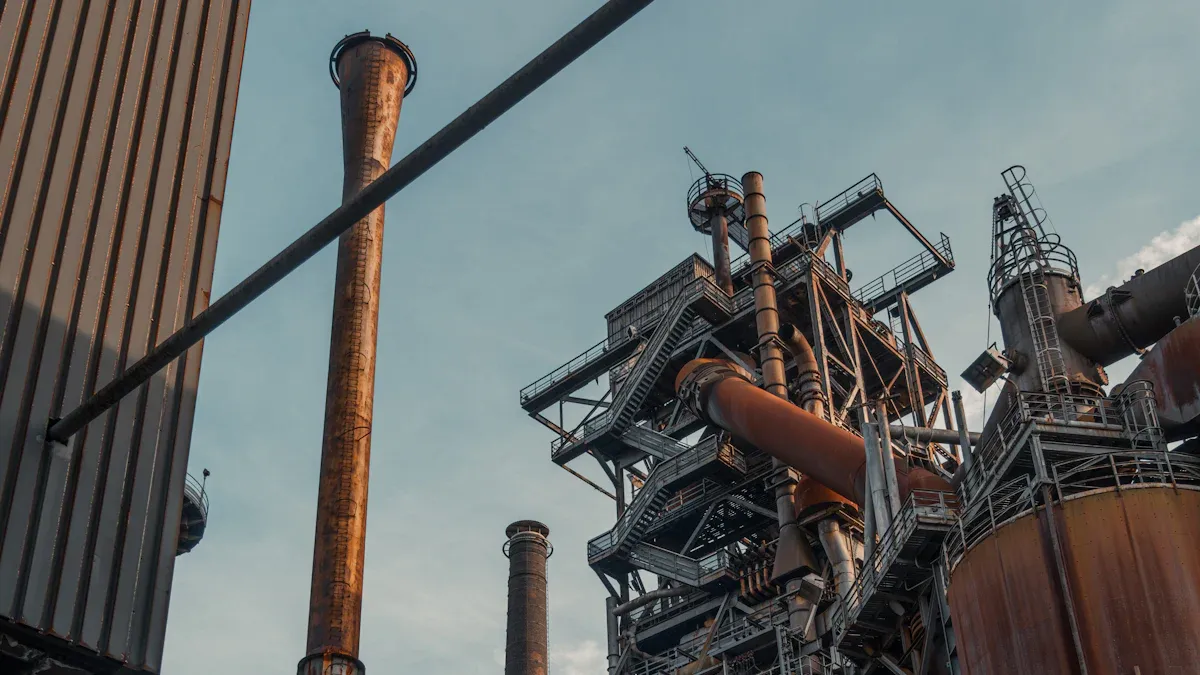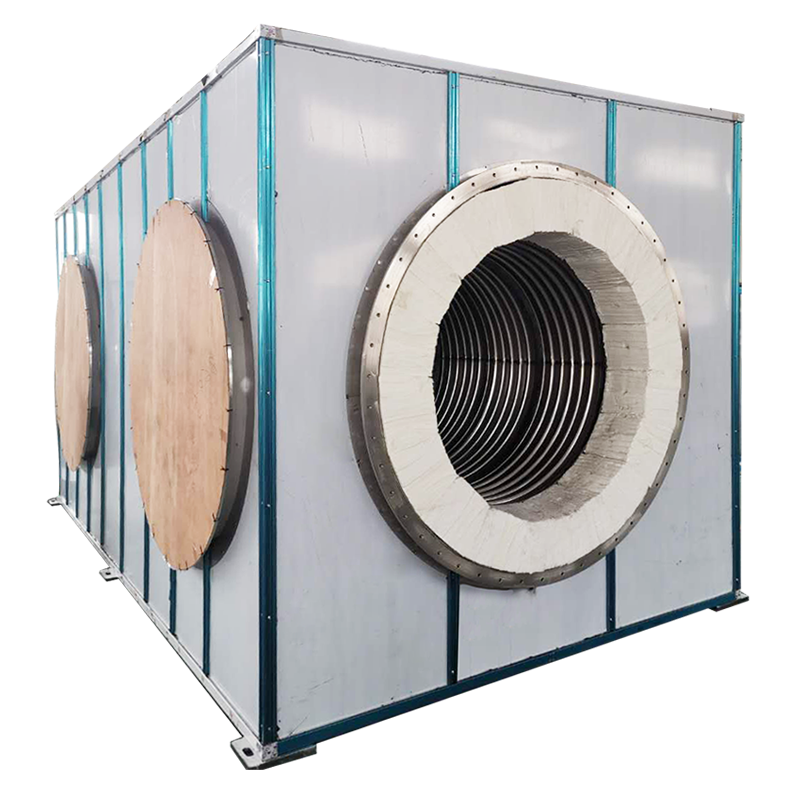
You can find gas to gas heat exchangers in many industries. These industries are:
People use these systems for things like waste heat recovery, flue gas cooling, and process gas heating. This helps save energy and lowers costs. The table below shows how heat exchangers help different industries use energy better:
Evidence Description | Impact |
China makes almost 400 million tonnes of oil equivalent (Mtoe) in waste heat every year | Shows a chance to recover heat |
Buildings use 36% of the world’s energy and make 39% of energy-related CO₂ emissions | Shows how heat exchangers help in HVAC |
ENERGY STAR-certified HVAC systems are 15–20% more efficient | Shows better efficiency |
Microchannel heat exchangers use up to 30% less refrigerant and transfer heat 20–25% better | Shows improved efficiency |
Smart heat exchangers cut unplanned downtime by up to 40% | Helps lower costs |
Key Takeaways
Gas to gas heat exchangers save energy by using waste heat again. This helps companies spend less money to run their machines.
These systems also cut down on bad gases that hurt the air. This makes factories better for the environment and helps them follow the rules.
In places like power plants and petrochemical factories, heat exchangers help machines work better and last longer.
When used in HVAC systems, heat exchangers can make energy bills much lower. They also help make the air inside buildings cleaner.
Using gas to gas heat exchangers in food processing keeps food safe and good. It also helps save energy at the same time.
Gas to Gas Heat Exchanger Applications in Power Generation
Waste Heat Recovery
Gas to gas heat exchangers are used in power plants. One big use is waste heat recovery. These exchangers take heat from exhaust gases. This saves energy that would be lost. In combined cycle gas turbine plants, recovered heat can warm homes or help factories. Here are some ways these systems help:
They make the plant work better and use less fuel.
New combined cycle plants can reach up to 60% efficiency by using waste heat.
Waste heat recovery systems can help power plants earn more money.
These uses show that gas to gas heat exchangers help you get more from the energy you already use.
Flue Gas Cooling
Flue gas cooling is another important use in power plants. Heat exchangers like air preheaters take heat from flue gas. This makes boilers work better. But you must watch for sulfuric acid condensation. If it happens, it can cause damage and block cooling systems. This can make repairs cost more and lower plant efficiency. The acid dew point depends on SO3 and H2O levels. It tells you how much heat you can safely take.
Microturbine and Fossil Fuel Systems
Gas to gas heat exchangers are also used in microturbine and fossil fuel systems. These exchangers move heat between gas streams. This helps keep the right temperature in cooling systems. Using these systems can cut pollution and save energy. Adding a combined cycle can raise gas plant efficiency from 35% to 60%. It can also lower CO2 emissions by about 30%. These changes help plants follow rules and protect the planet.
Tip: Gas to gas heat exchangers in power plants save energy, help clean the air, and lower costs.
Heat Exchanger Applications in Chemical and Petrochemical Industry
Process Gas Heating and Cooling
Heat exchangers are used a lot in chemical and petrochemical industries. These systems help control heat in gas streams. They keep the right temperature in distillation and catalytic cracking. They also help compressor trains work well. When separating hydrocarbons, heat exchangers keep things at the right temperature. They recover heat and preheat new feed. This saves energy in factories. The table below shows where heat exchangers are used and why:
Application Area | Purpose |
Distillation processes | Controls temperature and separates hydrocarbons by boiling points. |
Catalytic cracking units | Recovers heat to preheat new hydrocarbon feed and saves energy. |
Interstage cooling in compressor trains | Removes heat during gas liquefaction for storage and transport. |
Treatment of effluent water | Controls temperature before discharge or reuse to meet environmental rules. |
Polymerization reactors | Keeps the right temperature for good chemical reactions. |
Cooling of lubricants and hydraulic fluids | Helps machines work well by keeping fluid temperatures steady. |
Catalytic and Industrial Drying Processes
Heat exchangers are used in catalytic reactions and drying. These uses help factories work better. They cool petroleum cracking gas and preheat synthesis gas. They manage heat in catalytic reactions. They also dry chemicals and products. This keeps processes steady and saves energy.
Cooling petroleum cracking gas
Preheating synthesis gas
Heating or cooling gas in catalytic reactions
Drying chemicals and products
Tip: Using heat exchangers for drying keeps products safe and protects your operations.
Safety and Environmental Compliance
Chemical and petrochemical industries must follow strict safety and environmental rules. Heat exchangers help meet these rules. Equipment is designed and built to follow codes like ASME, TEMA, API 660, and CE Marking. These standards make sure heat exchangers are safe and protect the environment. The table below lists important standards:
Standard | Description |
ASME Boiler and Pressure Vessel Code (Section VIII) | Sets rules for making pressure vessels in the U.S. for industrial heat exchangers. |
TEMA (Tubular Exchanger Manufacturers Association) | Gives specs for shell-and-tube units in high-pressure petrochemical uses. |
API 660 | Used in refineries to set specs for thermal units under tough conditions. |
CE Marking (Europe) | Shows equipment meets safety and environmental rules in the EU. |
Following these standards keeps workers and the environment safe. It also makes operations more reliable.
Gas to Gas Heat Exchangers in Oil and Gas Industry
Fuel Gas System Integration
Gas to gas heat exchangers are used a lot in oil and gas. One big use is fuel gas system integration. These systems move heat between gas streams. This keeps fuel gas at the right temperature. The fuel gas needs to be warm before it goes into turbines or engines. If you control the heat well, equipment works better. It also protects important parts from damage. Keeping the temperature steady stops condensation. Condensation can cause rust and make things less efficient.
Heat exchangers are found in compressor stations and gas plants. They help take heat from exhaust gas. This heat is used to warm up new fuel gas. This saves energy and lowers costs. Here is a simple table that shows how these systems help:
Application | Benefit |
Compressor stations | Keeps fuel gas warm |
Gas processing | Recovers heat |
Turbine systems | Protects equipment |
Tip: Keeping fuel gas warm helps your equipment last longer. It also means you do not need as much maintenance.
Air Preheating Systems
Air preheating systems use gas to gas heat exchangers. They warm air before it goes into combustion chambers. Preheated air makes burning fuel more efficient. It also uses less fuel. This helps keep the right heat in oil and gas plants. It lowers pollution and helps meet environmental rules.
These systems are used in refineries and petrochemical plants. They use heat from exhaust gas to warm air. This makes energy use better and supports green operations. Here is a list of main benefits:
Note: Air preheating systems help plants follow strict environmental rules. They also make the plant work better.
Gas to gas heat exchangers are found in many industries. They help keep heat steady, save energy, and make equipment work well.
Heat Exchangers in HVAC and Building Services
Ventilation and Air Handling
Heat exchangers are used in ventilation systems. They help keep indoor air clean and comfortable. These devices move heat between air coming in and going out. This keeps the temperature steady. It also saves energy. You can breathe better air and pay less for heating or cooling. Many schools and offices use these systems to make sure air is fresh.
Energy Recovery Ventilators
Energy recovery ventilators use gas to gas heat exchangers. They help save energy in big buildings. You find them in hospitals, malls, and offices. These systems take heat from air leaving the building. They use it to warm air coming in. This means you do not need as much extra heating. Commercial buildings can save 18% to 49% on energy. The savings depend on the weather. These ventilators keep rooms comfortable and lower utility bills.
Take heat from outgoing air
Warm incoming air with saved heat
Save energy in big buildings
Lower heating and cooling costs
Tip: Energy recovery ventilators help you spend less money and keep indoor air healthy.
Boiler and Thermal Processing
Heat exchangers are important in boiler and thermal processing. They move heat between gases and liquids without mixing them. These systems heat fluids and preheat water for boilers. They recover heat from burning gases. This lowers energy use and makes processes work better. Heat exchangers also cool gases at high temperatures and pressures. You can use saved heat to make steam for building services. These systems handle tough gases and keep equipment safe.
Move heat between gases and liquids
Preheat water for boilers
Recover heat from burning gases
Make steam for building operations
Handle tough process gases
Note: Using heat exchangers in boilers helps you save energy and protect your equipment.
Food and Beverage Industry Applications
Drying and Roasting
Gas to gas heat exchangers are used in drying and roasting. These systems help control temperature and save energy. They are used in batch baking and continuous baking. They also work in grain drying. You find them in frying and coffee roasting. Spray drying uses these exchangers to keep products safe and dry.
Batch baking keeps ovens at the right temperature with heat exchangers.
Grain drying needs steady heat to remove moisture.
Frying and coffee roasting recover heat and lower costs.
Spray drying uses controlled heat for making powder.
Coffee roasting plants take heat from hot air exhaust. This recovered energy can be used in other production areas. Studies show heat recovery in coffee roasting saves energy and money. You can use this method in any plant with hot air emissions.
Heat is recovered during coffee roasting.
Energy recovery and money savings are checked.
This method works in other plants with hot air exhaust.
Tip: Using a refrigeration heat exchanger in drying and roasting helps reduce waste and makes products better.
Sterilization and Pasteurization
Food must be safe and clean. Gas to gas heat exchangers help reach the right temperature for sterilization and pasteurization. These systems keep heat steady and stop contamination. They heat air or steam to kill bacteria. This protects products and meets health rules.
You save energy and lower costs by using heat from exhaust gases. Process control gets better and equipment stays safe. Many food plants use heat exchangers to keep products fresh and safe for customers.
Note: Gas to gas heat exchangers help with strict temperature control and energy savings.
Metal, Glass, and Other Industrial Applications
Furnace and Kiln Heat Recovery
Gas to gas heat exchangers are used in metal and glass factories. These factories work with very high heat. Furnaces and kilns make lots of hot exhaust gas. If the gas leaves, energy is wasted. Heat exchangers grab this energy. You can use it to warm air or materials before they go into the furnace. This saves fuel and lowers costs.
Metal plants get energy back from steel and aluminum furnaces with heat exchangers.
Glass factories reuse hot air from melting and forming.
Brick and ceramic kilns also save energy with heat recovery.
Note: Recovering heat from exhaust gases makes your process work better and cuts pollution.
Pulp, Paper, and Automotive Uses
Gas to gas heat exchangers are also used in pulp and paper mills. These mills dry paper with lots of hot air. By getting energy from outgoing air, you can warm incoming air. This helps save money and keeps drying steady.
Automotive factories use heat exchangers in paint booths and drying ovens. They help control heat and humidity. This keeps paint jobs smooth and cuts waste. These systems are also found in engine test cells. They manage exhaust gases and protect equipment.
Industry | Application Area | Benefit |
Pulp & Paper | Paper drying | Saves energy, steady drying |
Automotive | Paint booths, ovens | Better quality, less waste |
Metal & Glass | Furnaces, kilns | Lower fuel use, less pollution |
Tip: Using gas to gas heat exchangers in these industries helps you spend less and make better products.
Benefits of Gas to Gas Heat Exchangers
Energy Savings
Gas to gas heat exchangers help save a lot of energy. They take heat from one gas and move it to another gas. This lets you use energy again instead of losing it. Many factories and buildings pay less for energy because of these systems. You do not need as much fuel to keep things working. When you reuse heat, your facility works better and saves money.
Tip: Using heat again helps you spend less and protect the environment.
Emission Reduction
Gas to gas heat exchangers help lower emissions. They cut down on harmful gases going into the air. Factories and plants use these systems to reduce carbon dioxide and other pollution. Cleaner air is good for everyone in your area. You can follow tough environmental rules more easily. Using heat exchangers makes your operations greener.
Benefit | Impact |
Lower emissions | Cleaner air, safer workplace |
Less fuel needed | Fewer pollutants produced |
Meet regulations | Avoid fines and penalties |
System Efficiency
Gas to gas heat exchangers make your systems work better. They help you use energy well and keep things steady. You can see changes like:
Heat use drops by 30% with better low-grade heat recovery.
Fuel use goes down by 12.1% after improved internal heat exchange.
Hot water at 70 °C reaches 61% of steam output without extra fuel.
Effluent and NOx emissions fall by up to 2.7 times.
You get more from your resources and your facility runs smoother. Higher efficiency means you make more with less waste.
Note: Better efficiency helps you save money and keeps your equipment safe.
You can find gas to gas heat exchangers in many industries. These include power, chemical, oil and gas, HVAC, food, and metal. These systems help save energy and lower costs. They also help protect the environment.
A study shows new designs like helically baffled exchangers work better. They save more energy and help the environment by using waste heat.
Experts say you should:
Use Plate and Shell Heat Exchangers to save money.
Keep channel velocity within safe limits.
Use glycol injection and CFD analysis for better results.
Region | Regulation/Standard | Impact on Adoption |
North America | ASME BPVC Section VIII | Makes sure equipment is safe |
European Union | PED 2014/68/EU | Needs CE marking to follow the rules |
By using these ideas, you can make your work better. You also help keep the planet clean.
FAQ
What is a gas to gas heat exchanger?
A gas to gas heat exchanger moves heat from one gas stream to another. You use it to save energy and keep processes running smoothly. Factories and buildings often use these devices.
Why should you use gas to gas heat exchangers?
You save energy and lower costs when you use gas to gas heat exchangers. These devices help you reduce pollution and meet environmental rules. You also protect your equipment.
Where do you find gas to gas heat exchangers?
You find gas to gas heat exchangers in power plants, chemical factories, oil and gas sites, HVAC systems, and food processing plants. These devices work in many industries.
How do gas to gas heat exchangers help the environment?
Gas to gas heat exchangers cut down on harmful emissions. You use less fuel and make cleaner air. These devices help you follow strict environmental standards.
Can you use gas to gas heat exchangers in small buildings?
Yes, you can use gas to gas heat exchangers in small buildings. You improve indoor air quality and save money on heating and cooling. Many schools and offices use them.